Podolí Waterworks
back-up water treatment plant
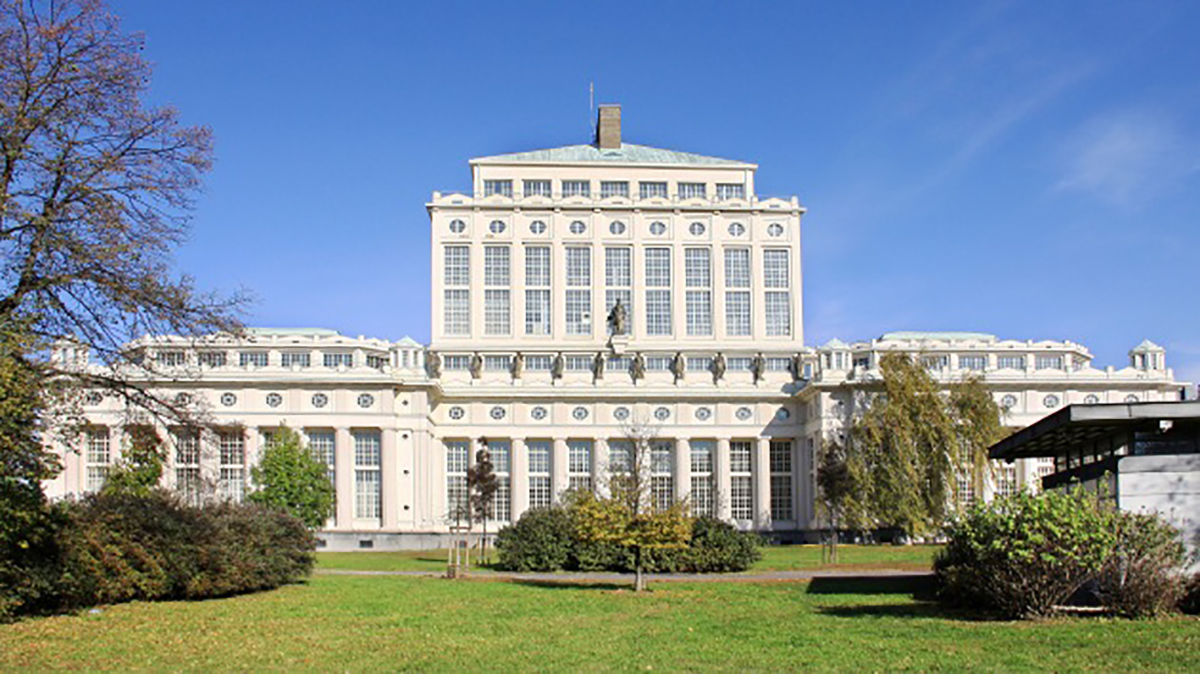
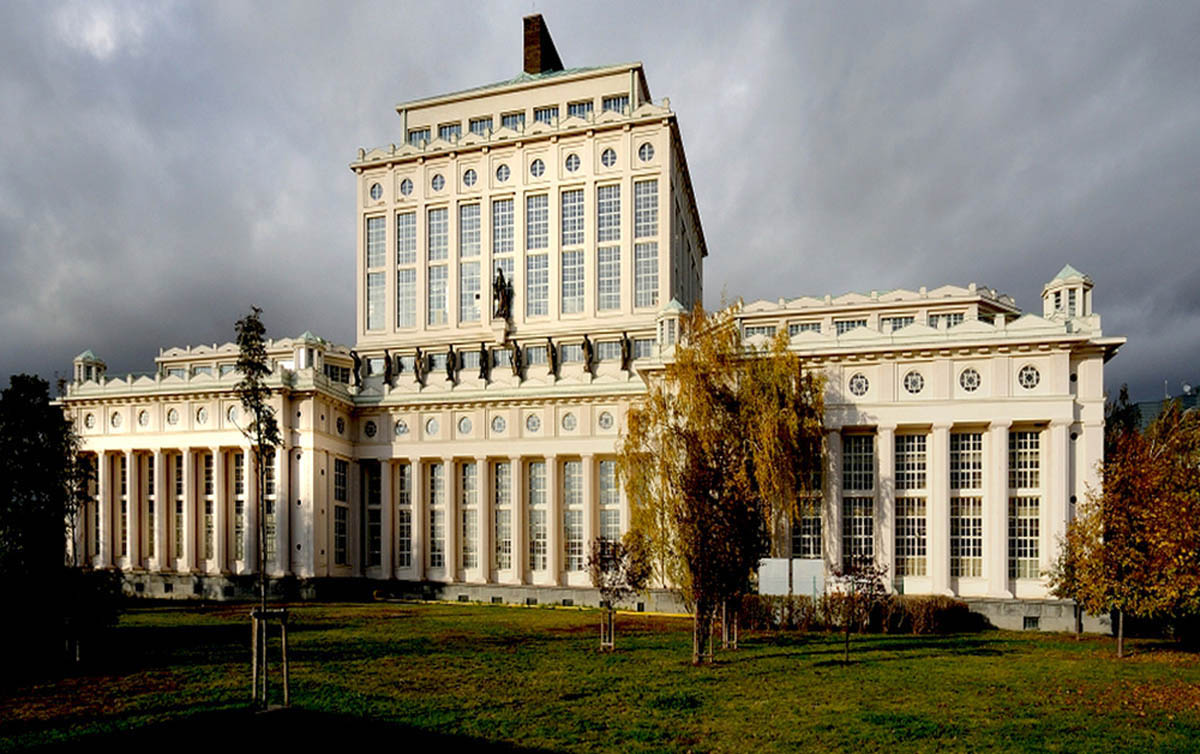
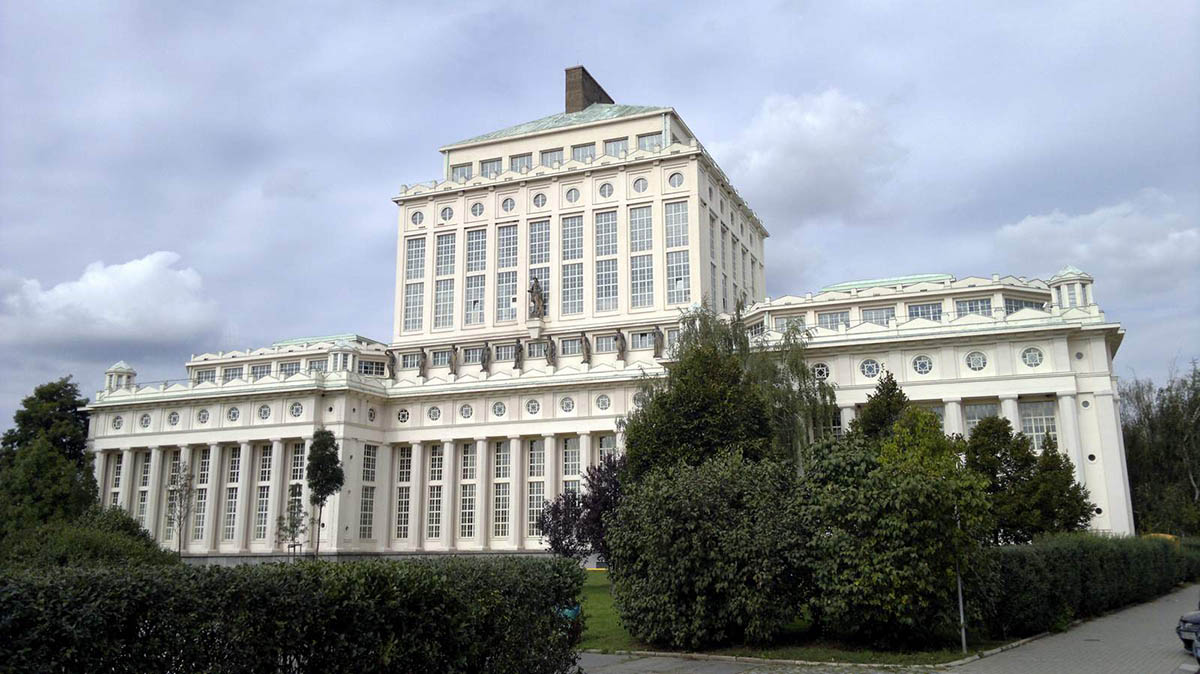
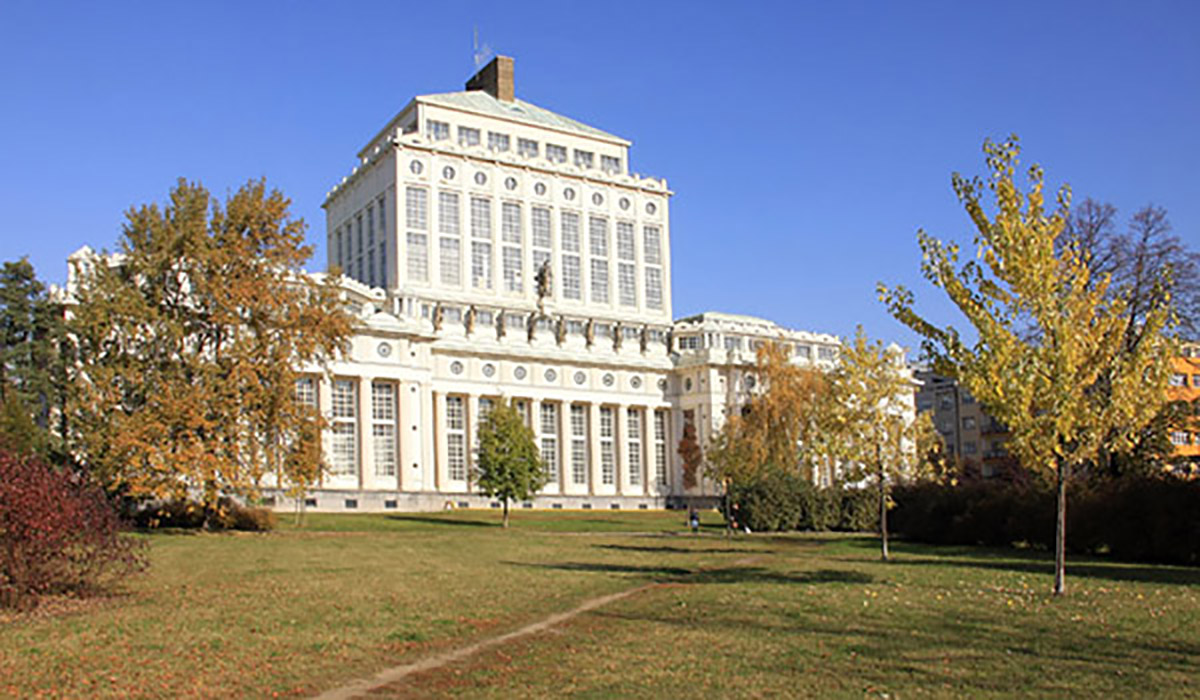
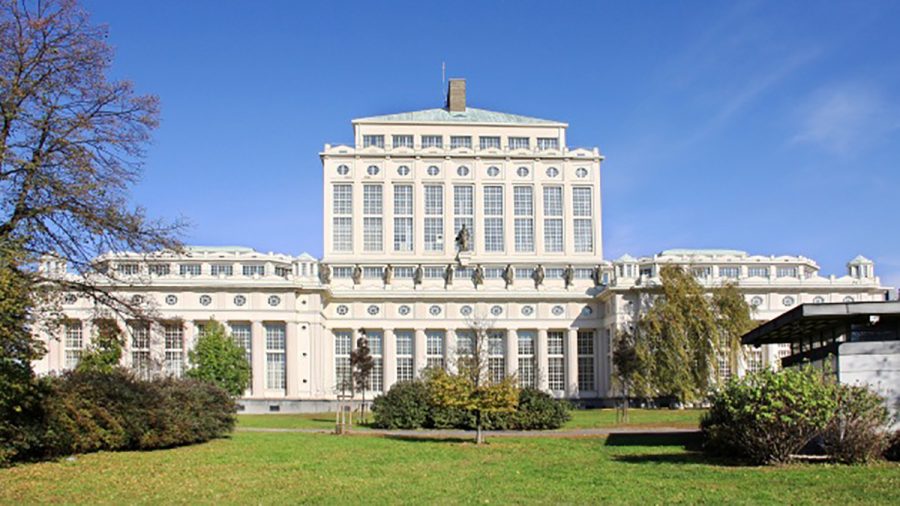
The neoclassical waterworks is a historically valuable building and still a working back-up source of drinking water for Prague.
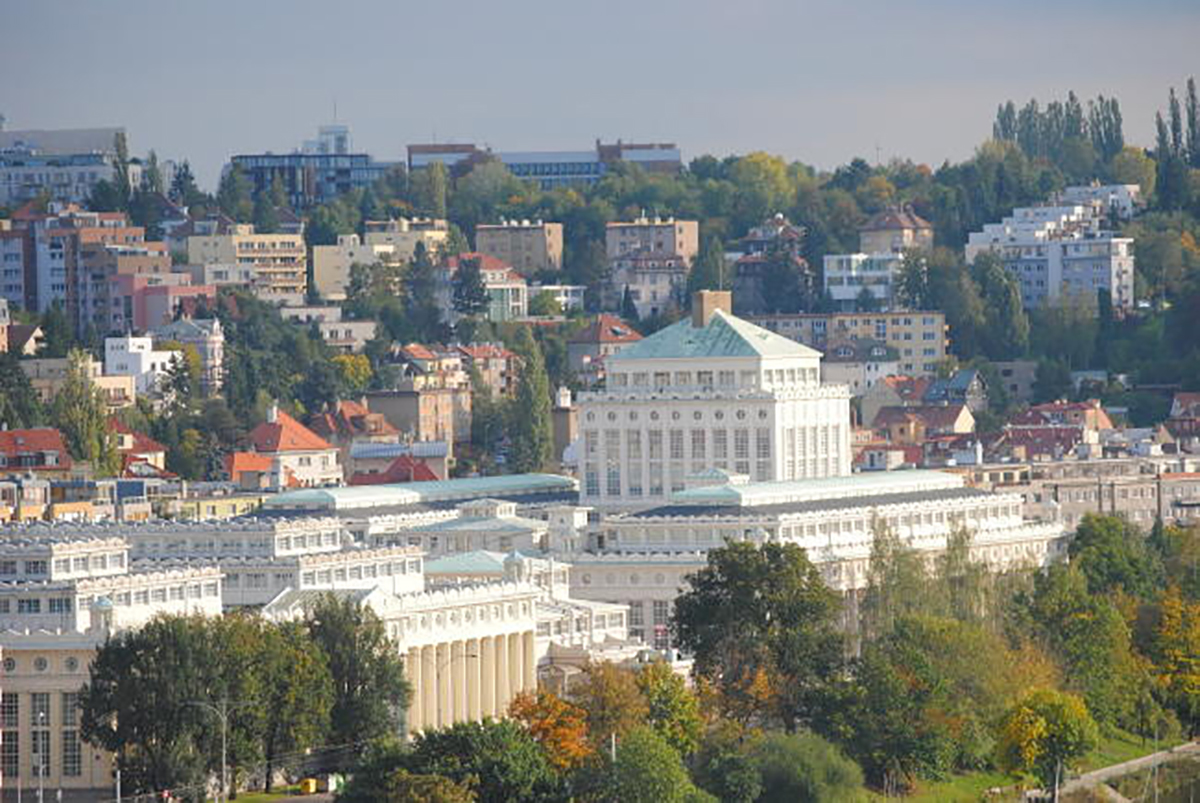
The Podolí Waterworks is a still functioning waterworks facility, which can be seen on the right bank of the Vltava River in Prague-Podolí. The original waterworks building was built in the neoclassical style in the 1920s according to a design by Antonín Engel. This is not only an architecturally valuable building, but also a technically unique structure.
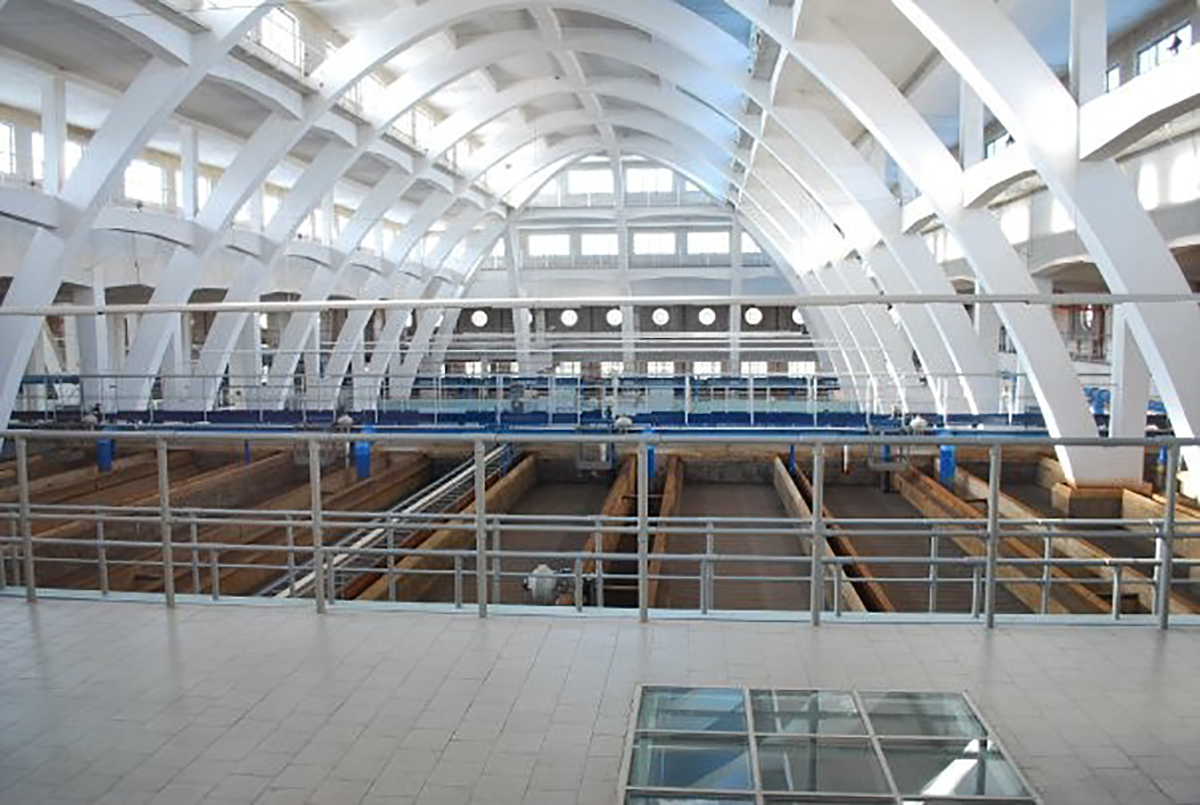
The old city waterworks, such as the Old Vinohrady Waterworks or the Old Prague Waterworks, were replaced in 1913 with new piped water from Káraný. But even that was not enough after the formation of the greater Prague area in 1922, so it was decided to build a new high-capacity waterworks in Podolí. It included a large catchment facility on the adjacent Veslařský Island, a machine room with pumps and an office building. The modern waterworks managed to clean and treat 35 – 40,000 m3 of water per day. Water drawn from the Vltava River first passed through rough filters, was aerated and then flowed through fine filtration and disinfection with the help of chlorination.
In the early 1930s another technological unit was added before the original filter station for dealing with the chemical treatment of water and in the 1940s new fastfilters were installed. From 1956 – 1965 another part of the waterworks was added according to the original plans, so the architecturally uniform character of the complex was preserved. The newer building has housed the Prague Water Management Museum since 1997.
Until 2003, water from the Podolí Waterworks mixed with water from the two main sources and primarily supplied Josefov and the Old Town. Since 2003 the Podolí Waterworks is used only as a backup water source and auxiliary water treatment plant for Prague in case of a failure of the Želivka and Káraný treatment plants. The output of the waterworks is 500 litres per second, and if needed, this can be raised to 2,200 litres per second.