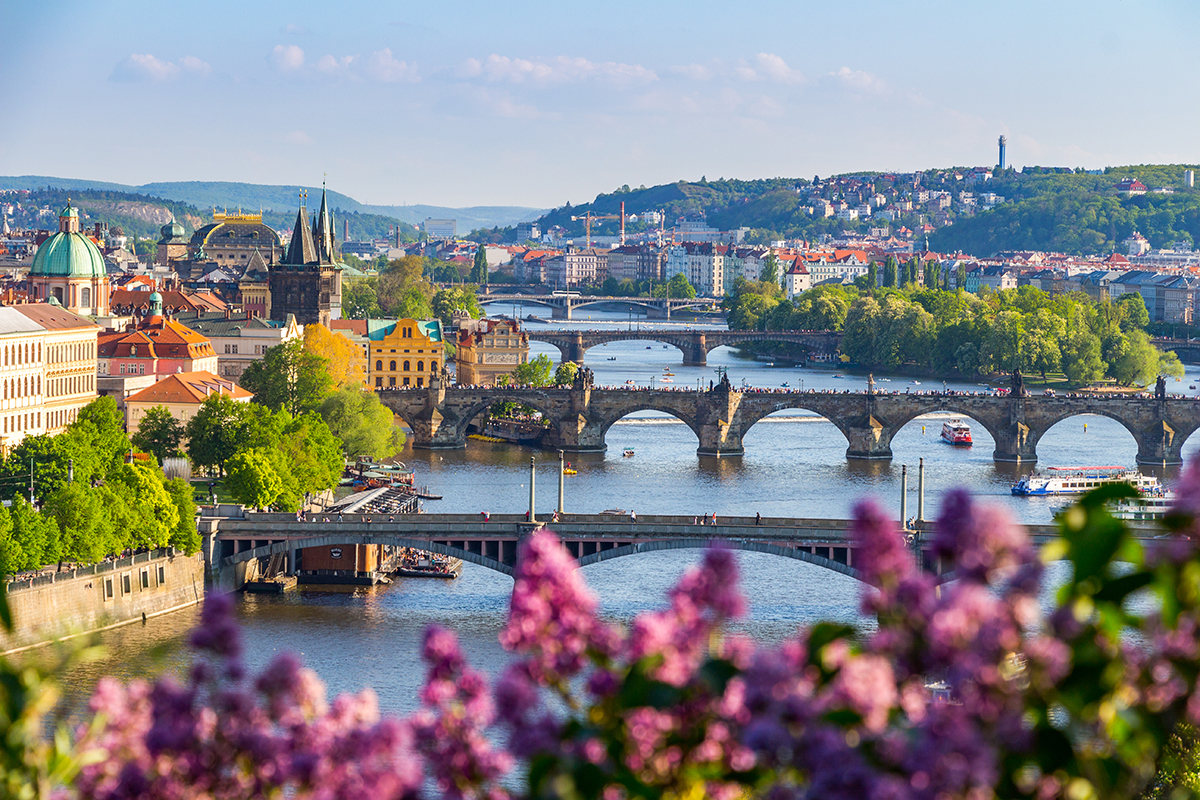
The Vltava River
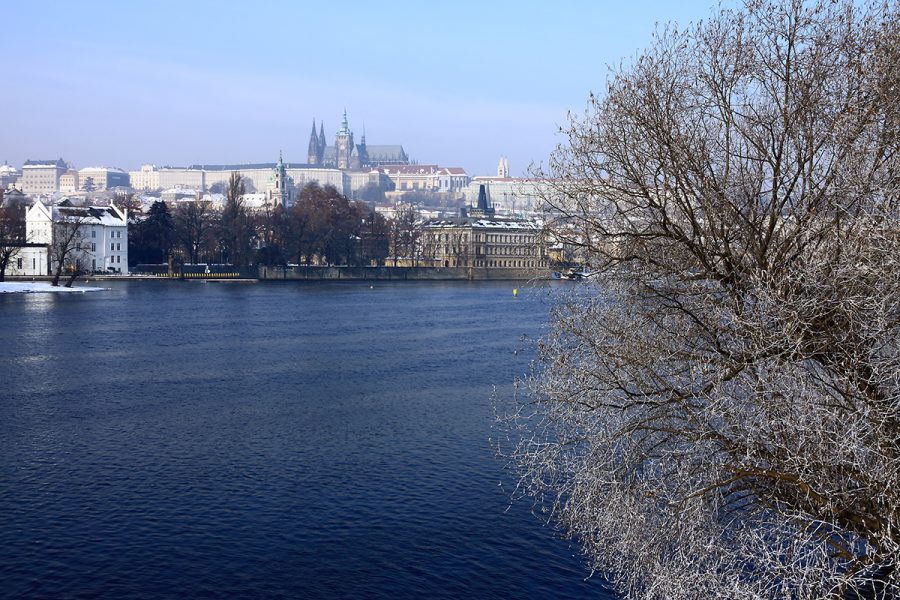
the longest river in the Czech Republic
The longest and most beautiful river in the Czech Republic. Its name is derived from an old Germanic word for "wild water".
The Vltava is the longest river in the Czech Republic. From its source in the Šumava to its estuary in the Labe at Mělník it is 430 km long and its catchment area is 28,090 km2. Its main sources are the Teplá and Studená Vltava. A little ways downriver is the first large work of the Vltava cascade, Lipno, which has the largest water surface. The river flows through a romantic rocky valley. Next it winds thorugh Vyšší Brod, beneath Rožmberk Castle and enters the beautiful Český Krumlov. After Hluboka nad Vltavou it flows into the Hněvkovice Dam, which supplies the Temelín nuclear power plant with water. It then flows through Týn nad Vltavou and creates a narrow and deep valley. Next is the Orlik Dam, which holds the largest volume of water. Then came the Kamýk, Slapy, Štěchovice and Vranov dams.
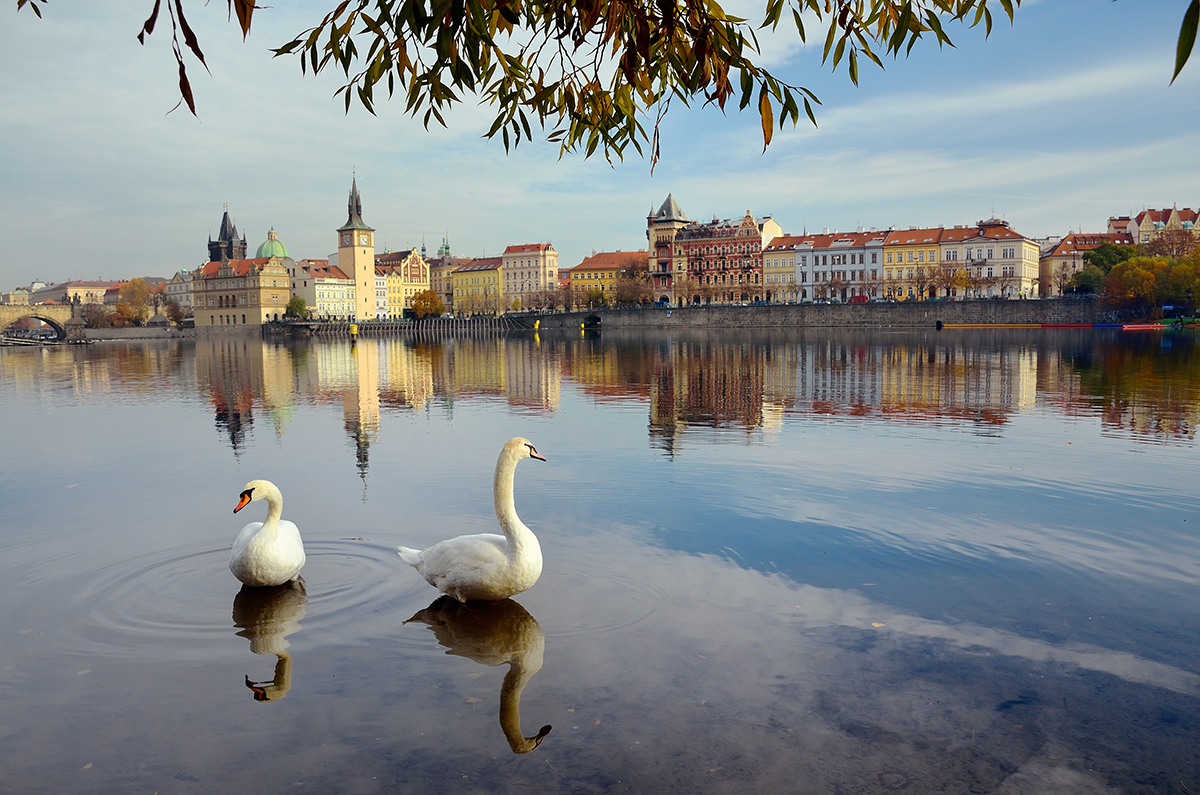
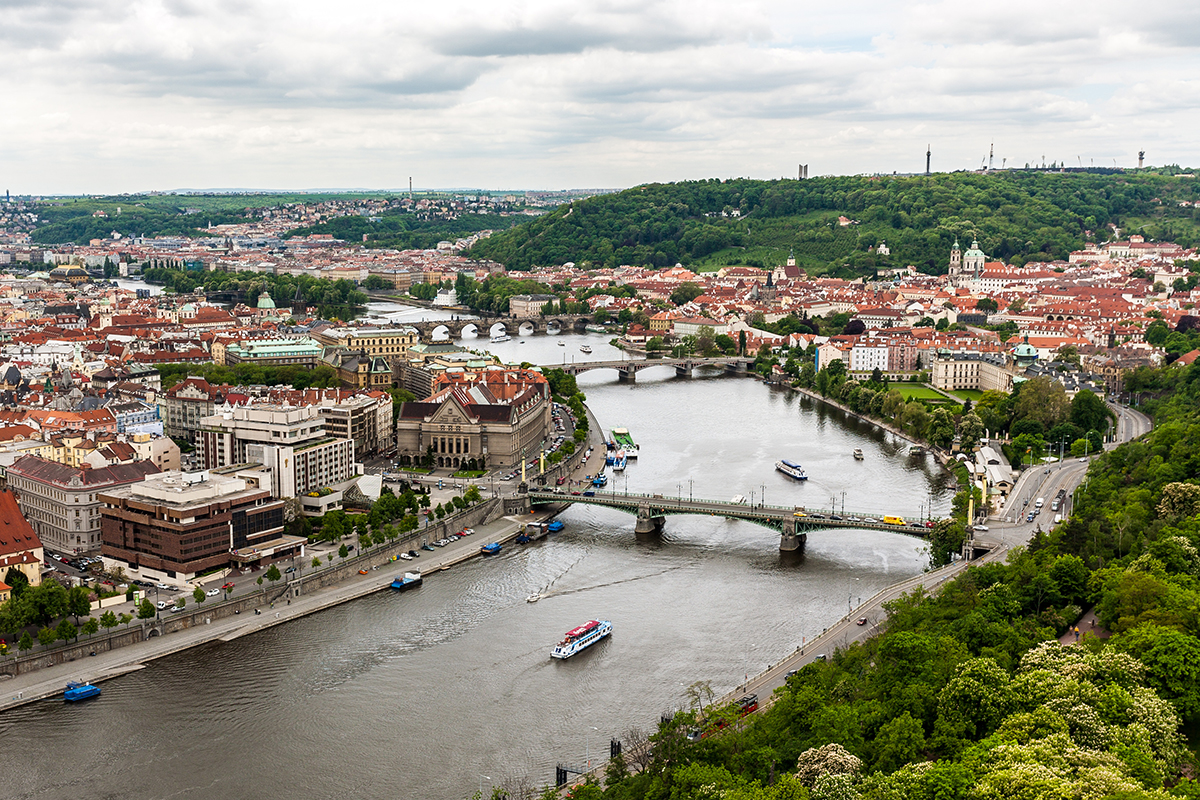
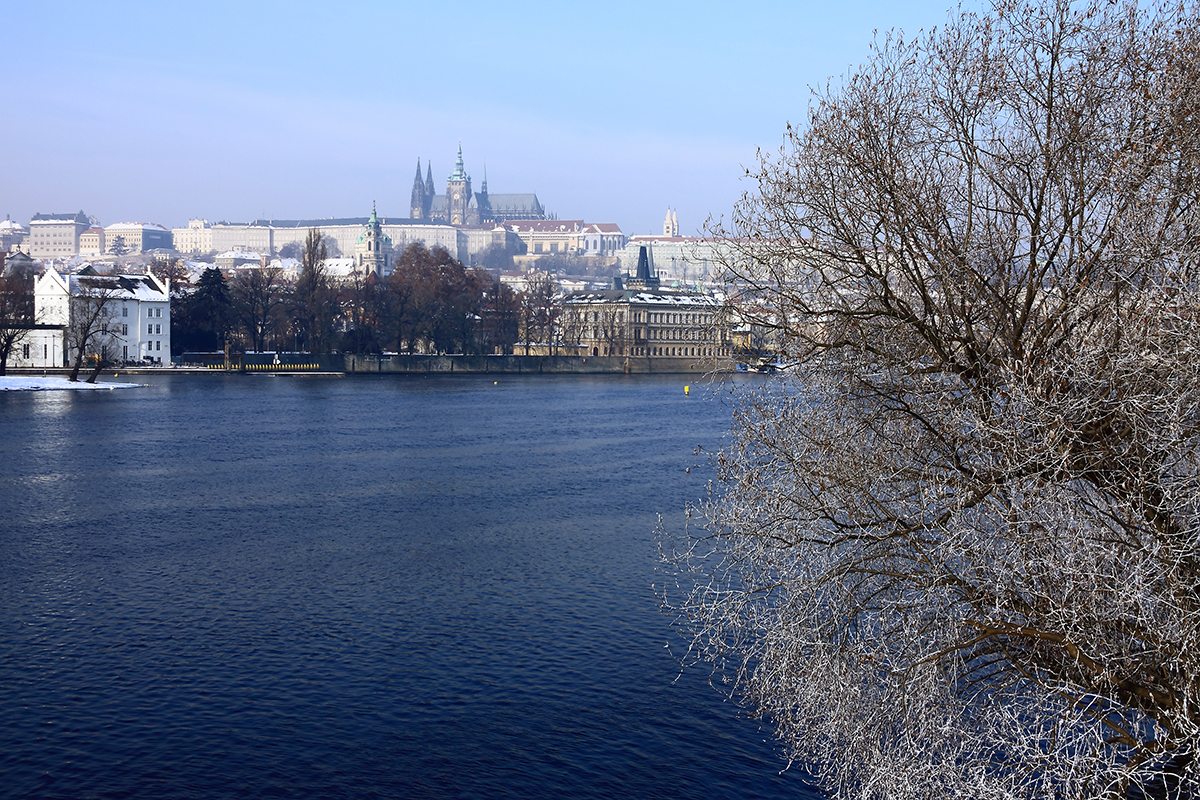
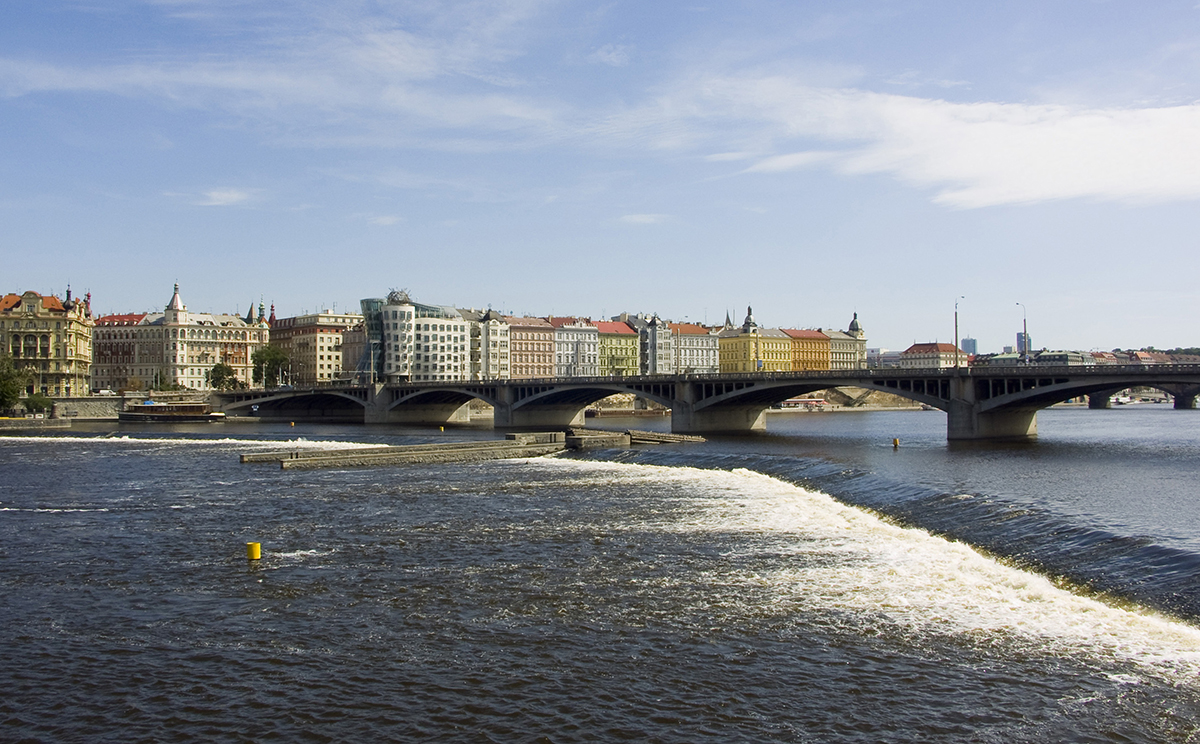
At Davle is located St. Kilian Island, on which the Ostrovský Monastery stood. The river then flows through Prague, where, in particular in the historical centre, it skirts a paved embankment and a riverbed. Right beneath Mělník Castle it flows into the Labe (Elbe), which takes its waters through Germany to the North Sea.
The Vltava River has about 35 larger tributaries, among which are rivers such as the Malše, Lužnice, Otava, Sázava and Berounka.
And if you wondered where the name Vltava comes from, then it might surprise you that it is not of Slavic origin, as many might assume here, but of Old-German origin. It is based on a combination of the words "Wilth" and "ahwa", translated as "wild water". This name appears in Fuld's annals from the year 872 in the form of "Fuldah", in 1113 as "Wultha" and in Kosm's chronicle from 1125 in the honorific form "Wlitaua". The name "wild water" corresponds to the fact that the Vltava has always been marked by flooding. The worst modern flood occurred in August 2002, when the normal flow of 100 m3/s rose to 5,000 m3/s.
The Vltava and its reservoirs are a significant source of water. A hydroelectric power plant is located on its flow and it is also significant in terms of tourism. The Vltava, especially the places around its reservoirs, is a popular recreational area. The stretch from Vyšší Brod to Boršov nad Vltavou is again a sought-after boating paradise.