The Lesser Quarter
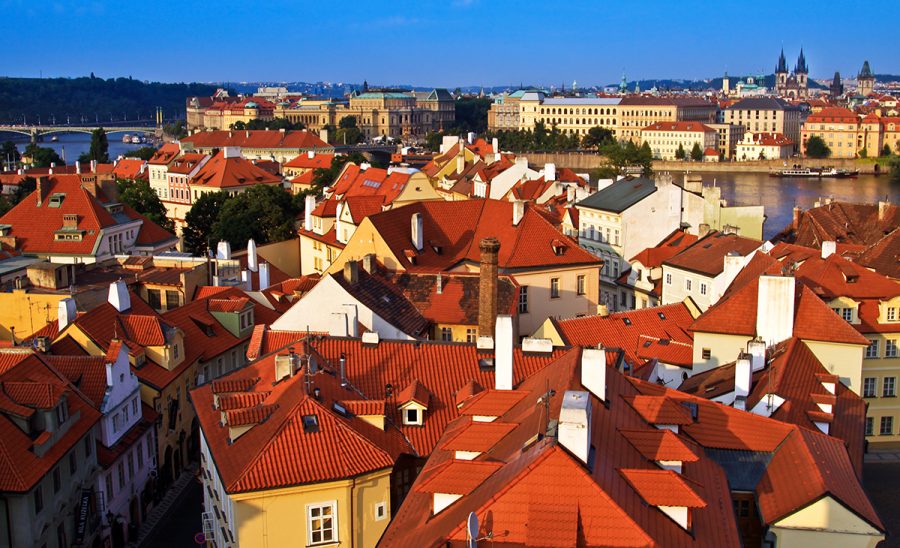
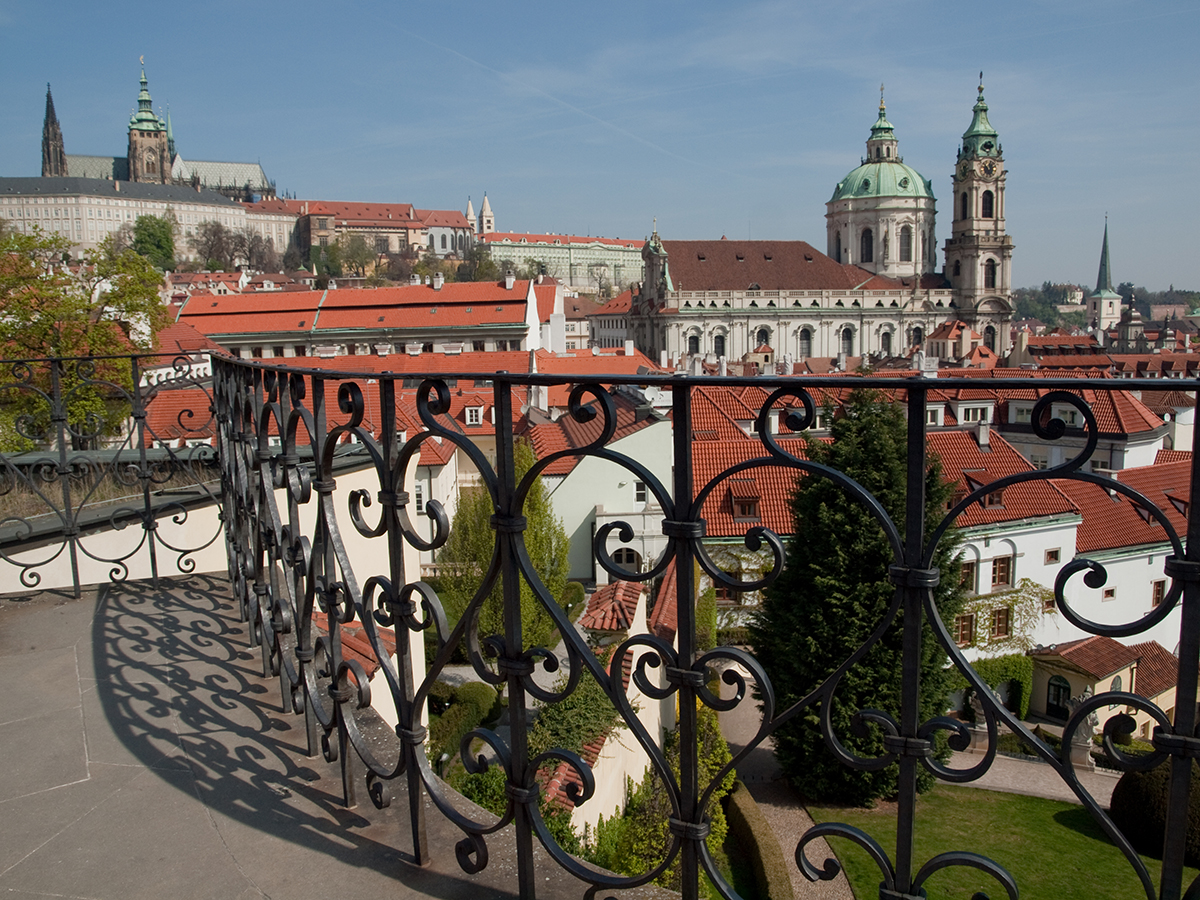
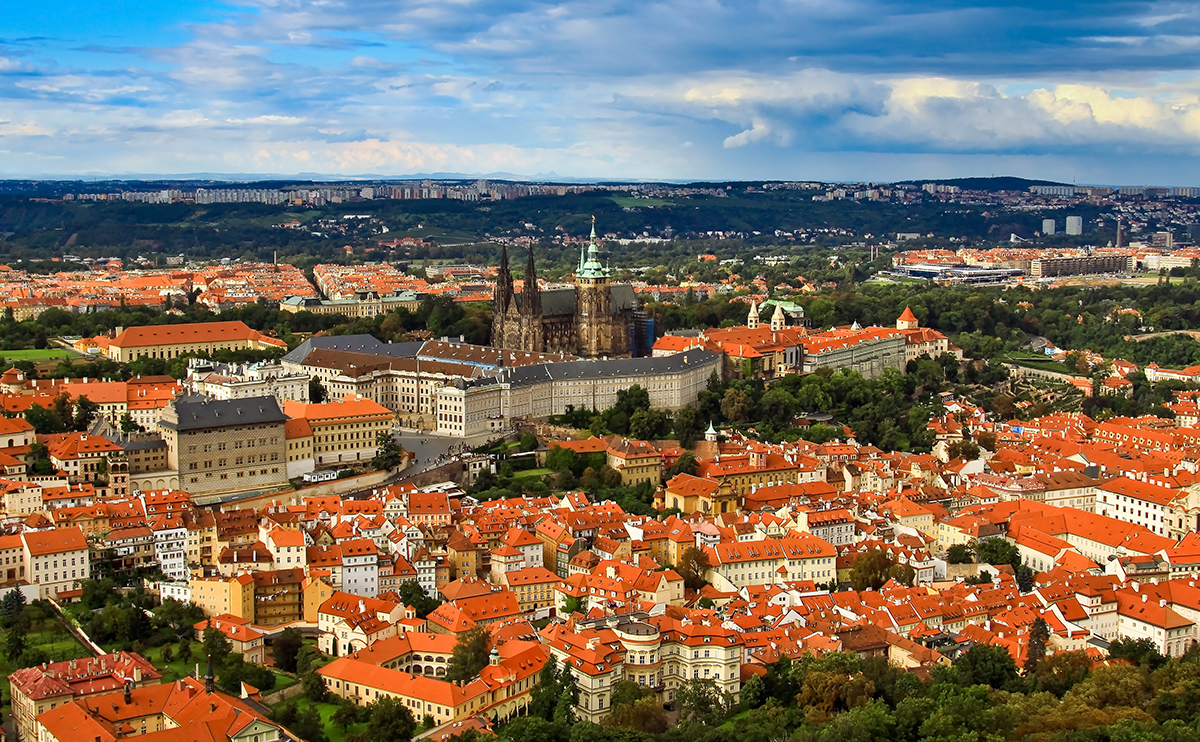
the picturesque area beneath the castle
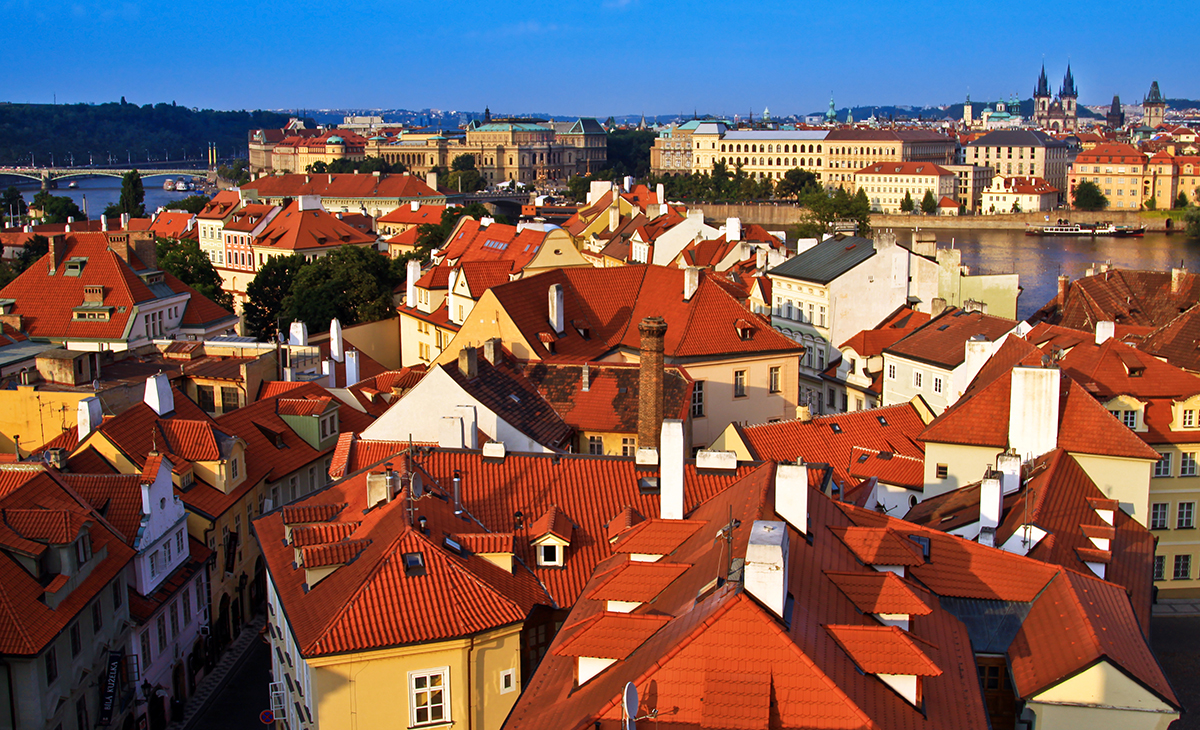
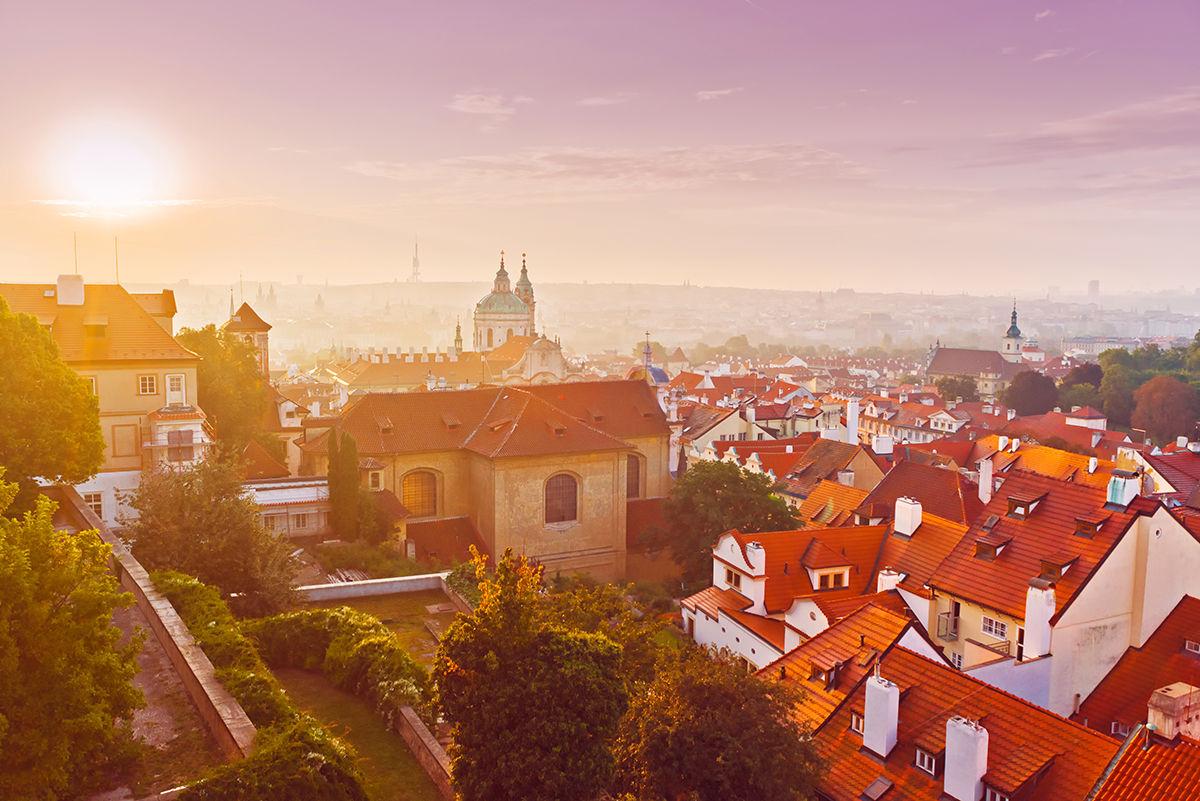
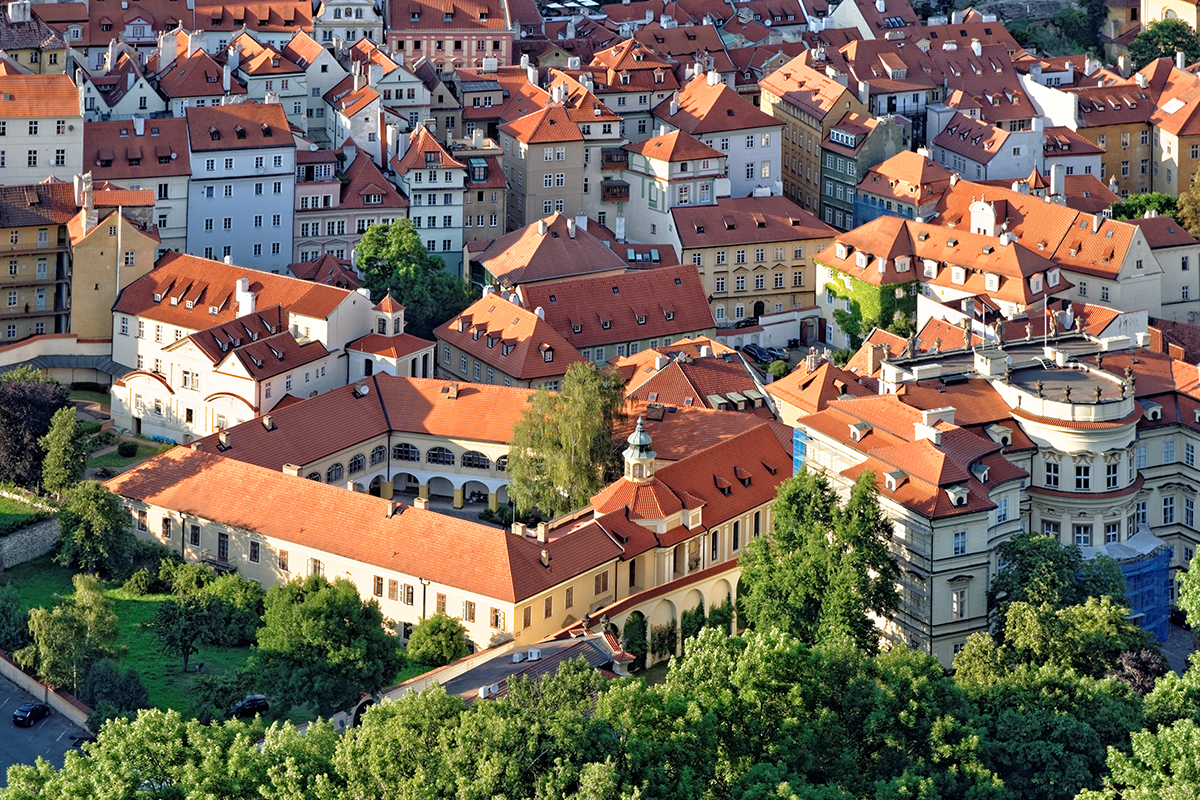
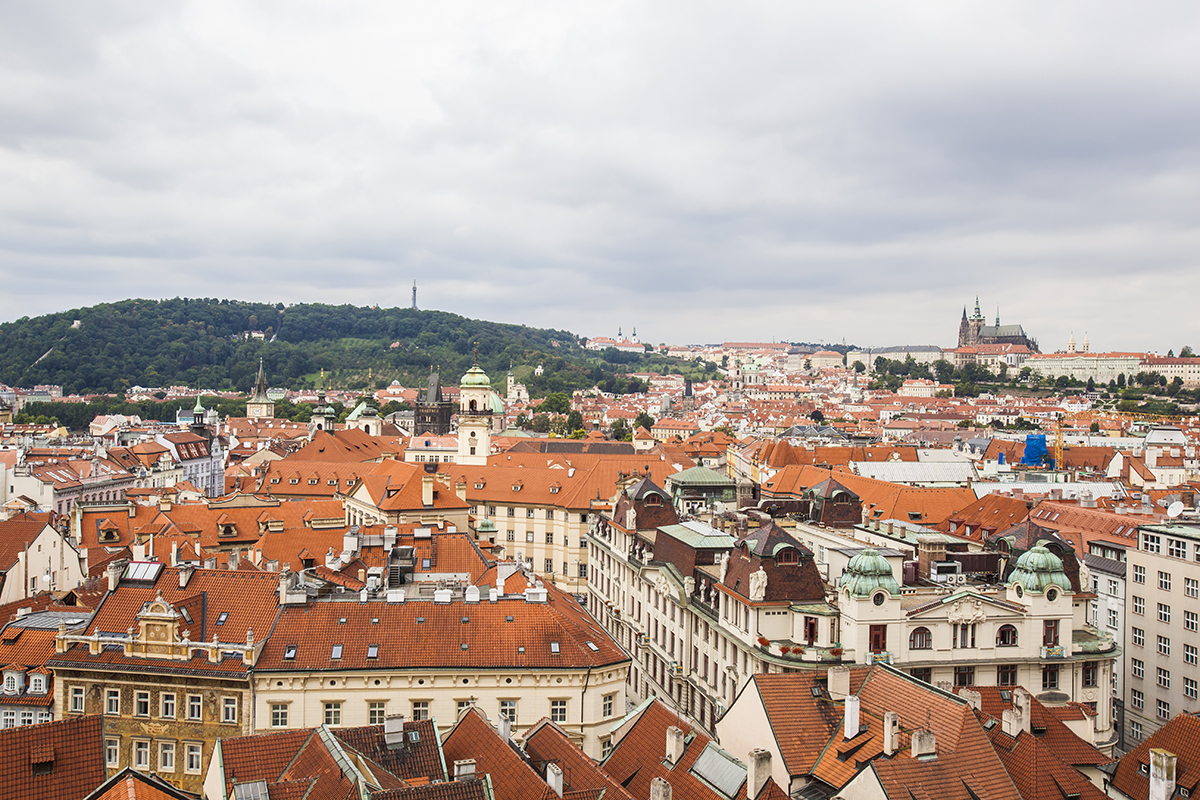
A Lesser Quarter is part of old Prague which you definitely should not miss when visiting the city. Its beauty will astonish you.
On an area of 1.37 km2, is located one of the oldest and the most impressive parts of Prague. It has been a settled area since Neolithic period and later developed spontaneously as a settlement around Prague Castle. In the 13th century Přemysl Otakar II founded the so-called New Town on this territory under Magdeburg Law and invited German settlers to come. Under Charles IV the city was expanded through the construction of the Hunger Wall. During the Hussite wars, the city was completely destroyed and the inhabitants moved to the right bank. Building once again resumed here at the end of the 15th century.
The development of the Lesser Quarter was hit hard by an extensive fire that in 1541 arose in a house on the main square and which destroyed 133 of 211 houses in the Lesser Quarter, but also affected Pohořelec and Prague Castle. The future development of the castle was affected by the resettlement of the Imperial Court of Rudolf II in Prague in 1583. On the vacant area after the original construction palaces and magnificent houses began to be built by the nobility with the help of famous Italian builders.
During the Thirty Years' War, one of the most striking early Baroque buildings and the seat of the powerful Albrecht of Valdštejn arose – the Waldstein Palace. Its expansive premises absorbed another palace, 23 houses, three gardens and brickworks. Another new construction was the Jesuit Professional House with the Church of St. Nicholas. Fortifications were built connected to the Prague Castle. After the departure of the Imperial Court, the significance of the Lesser Quarter and Prague generally was diminished, but thanks to the freed up space, many other Baroque palaces could be built.
In 1784 the Lesser Quarter together with other Prague quarters became part of the Royal Capital City of Prague. In the 19th century, under the burgrave Karel Chotek, the so-called Chotkova road was built, later the chain bridge and the Rudolf Footbridge were opened. Horse-drawn trams began to operate from Újezd to Smíchov, and in 1891 the Petřín lookout tower and funicular were built.
Among the many palaces located here are the Waldstein, Liechtenstein, Nostic, Grand Priory and Smiřice palaces, the Schönborn Palace or the Fürstenberg Palace. Of the churches, it is worth visiting the church of St. Mikuláš, the Church of Our Lady beneath the Chain or the Church of Our Lady Victorious containing the Infant Jesus of Prague.
Its splendour is also thanks to the ancient Charles Bridge or Kampa Island, separated by the picturesque Devil's Channel. A beautiful walk is also offered by Nerudova Street, which together with the Castle Steps is part of the Royal Way.
The Lesser Quarter is home to important state institutions such as the Office of the Government in the Strakov Academy, three ministries or both Chambers of Parliament (the Smiřice and Waldstein palaces). Many foreign embassies are also located in palaces and houses in the Lesser Quarter.
Compared to Old Town, the Lesser Quarter is a much quieter area and has more greenery in the form of parks and orchards. All this creates a unique genius loci and makes the Lesser Quarter a popular place for tourists and locals alike.