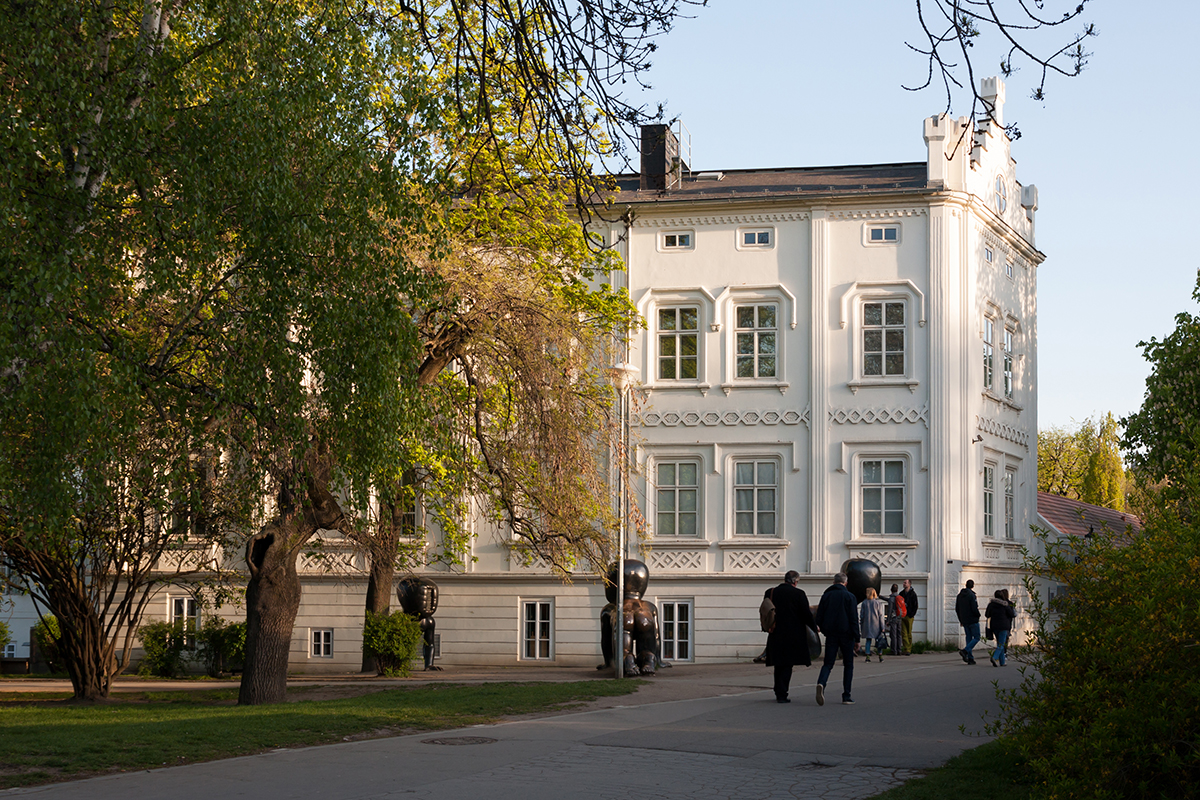
Sova's Mills (Kampa Museum)
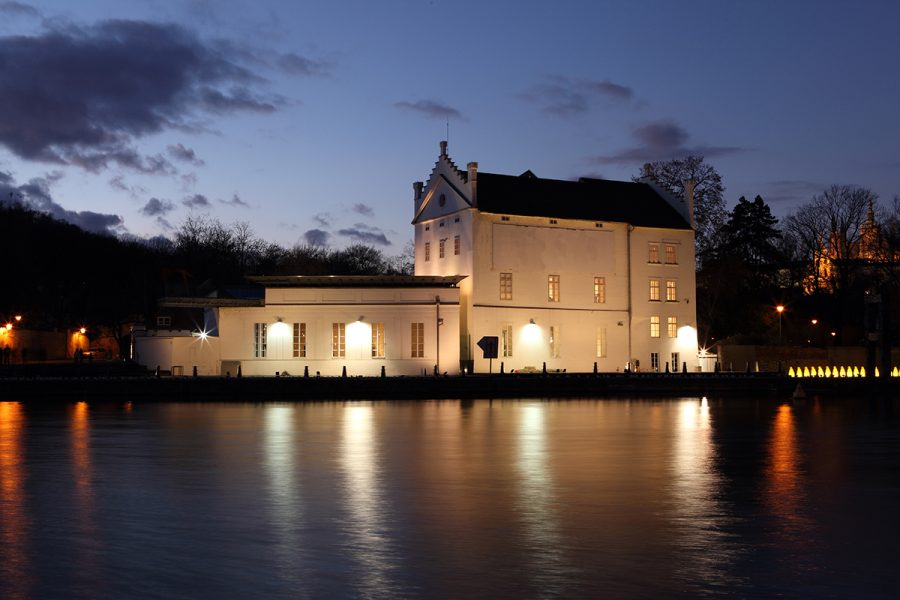
exhibition of Czech modern art
A Renaissance converted Gothic mill, which today hosts a collection of modern Czech and Central European art.
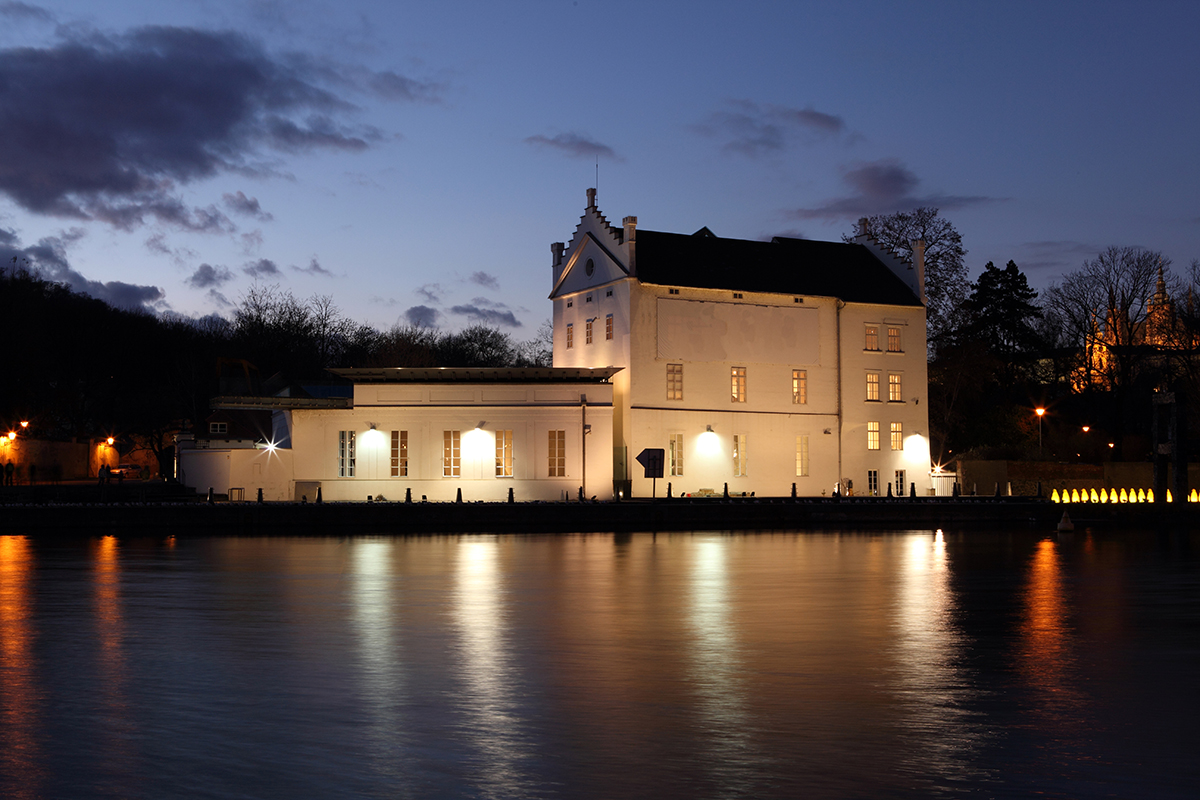
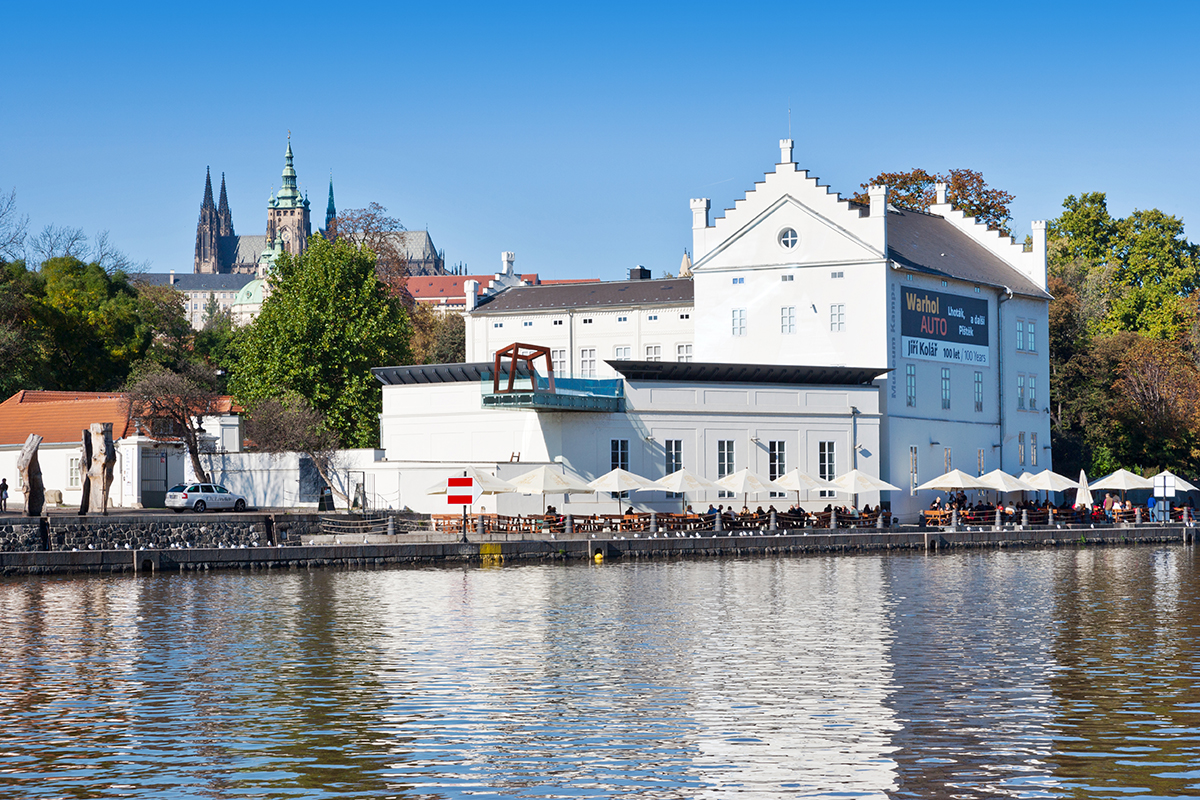
The white building of Sova's Mills is a distinctive part of the Lesser Quarter panorama. The oldest written mention of mills in Kampa dates to 1393, but they were there much earlier. The mill was named after Václav Sova of Liboslav, a landowner who built a house, mill, sawmill and many other farming buildings here. The original Gothic mills were later rebuilt during the Renaissance. After 1850 the mills were acquired by entrepreneur František Odkolek who had them converted to steam by architects Josef Schulz and Josef Zítek.
Odkolek's mill burnt down in 1896 and what's left of it passed to the municipality of Prague. The front part facing the bank of the river was demolished in 1920 during the regulation of the river and the construction of the Smíchov locks. The premises of Sova's Mills today houses the Kampa Museum with its unique collection of modern Czech and Central European art of the 20th century, including the work of Czech painter František Kupka or the work of Otto Gutfreund. The artworks were collected by American collector and patron Meda Mládková and her husband who gave them as a gift to the Czech Republic.
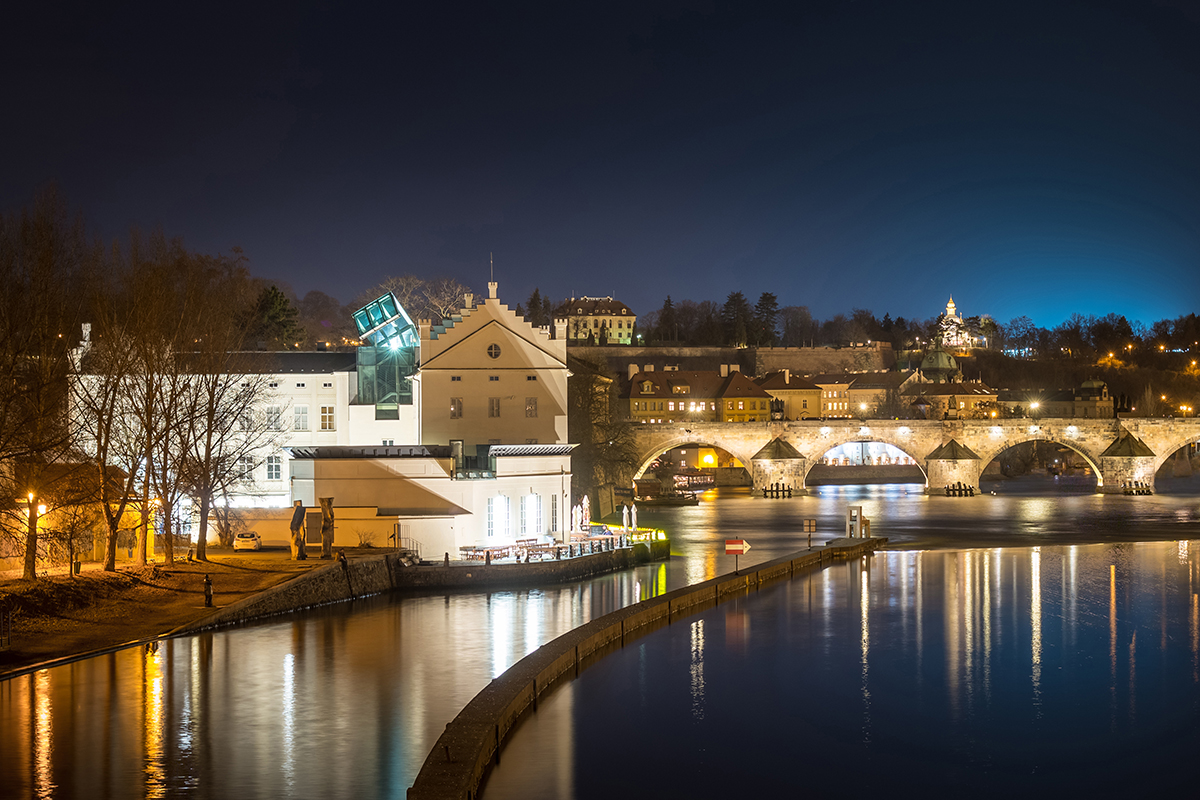
The dilapidated building of Sova's Mills, on which the reconstruction began in 2000, was selected to house the collection. Original modern gallery spaces were created with imaginative elements made of stainless steel and glass. With the help of a helicopter a distinctive giant glass cube in a metal frame was installed on top of the building, which was a source of consternation among conservationists as well as the general public. However, the Ministry of Culture finally permitted the installation. The visual symbol of the Museum became a four metre and more than two-ton wooden Chair, which was washed away by the great flood in 2002. It was then replaced with a new six-metre chair made of poplar wood, which is still in place today.
The Museum also hosts temporary exhibitions, lectures and events for children.