Na Františku Hospital
the oldest hospital still in operation
A place where medical care has been provided continuously since the 14th century and where the first operation under anaesthesia was performed in Bohemia.
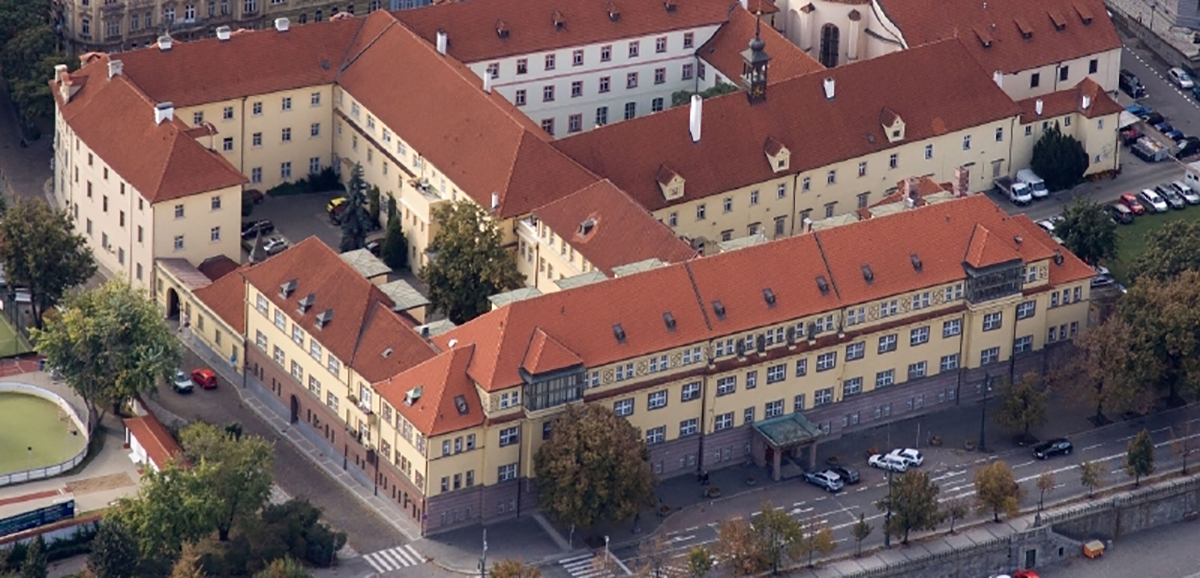
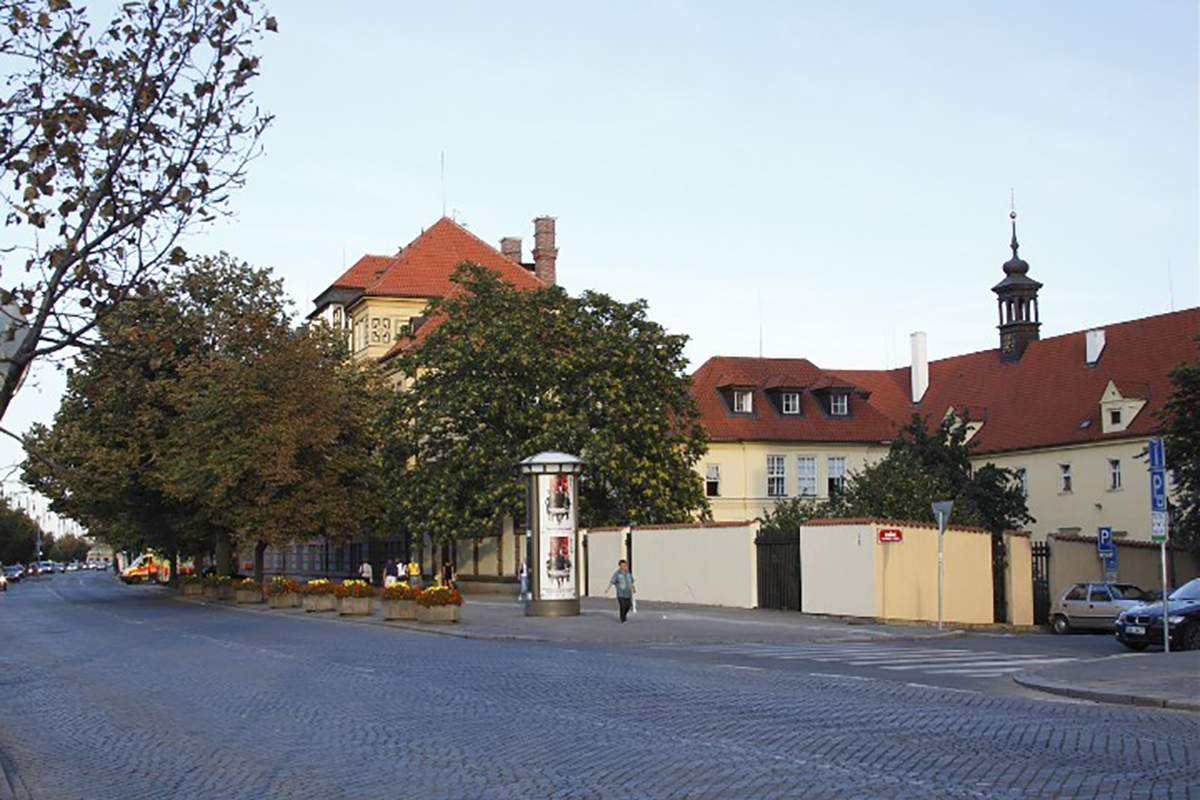
The Na Františku Hospital is unique in Europe. Medical care has been continuously provided here since the 14th century, when Bohuslav Olbramovic founded a hospital here and Archbishop Arnošt of Pardubice consecrated the chapel of St. Simon and Jude. The hospital originally had 14 beds and thanks to sponsors from the ranks of the nobility was constantly expanded. After the Battle of White Mountain in 1620, the Emperor donated the hospital to the Order of Merciful Brethren, whose mission was to help all the wounded and sick without payment. For example, in the 18th century, when Prague was occupied by French troops, the wounded French soldiers were cared for here. Also Maria Theresa donated money to the hospital, thanks to which it was renovated and expanded to 90 beds.
In the 18th century a branch of the medical school was opened here, where anatomy was studied and practical autopsy exercises were given. In addition, a surgical clinic and department for the mentally ill were opened here, which treated for example, Josef Dobrovský, a prominent figure of the Czech revival movement. On the wall of the hospital there is a plaque commemorating the healer of the Celestine monastery František Celestýn Opitz, who in 1847 performed the first operation under general anaesthesia in Bohemia and one of the first in all of Europe.
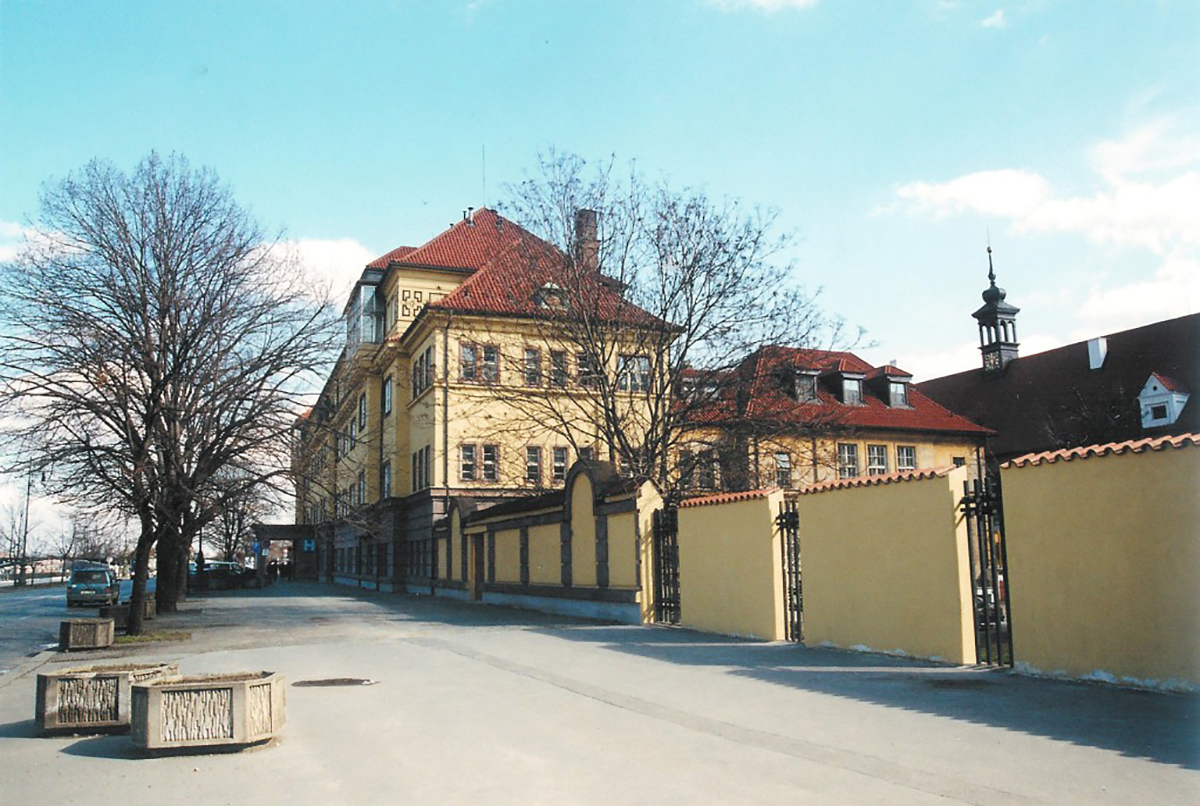
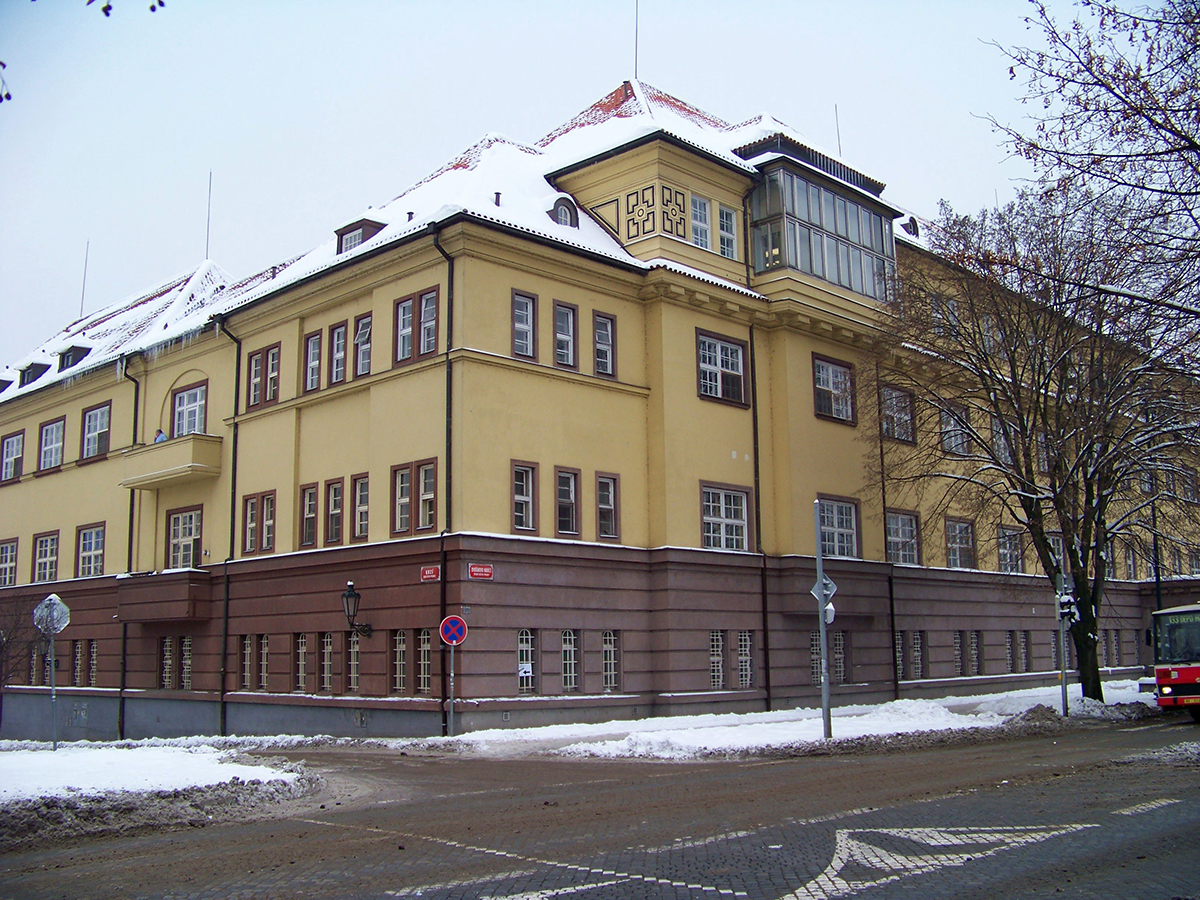
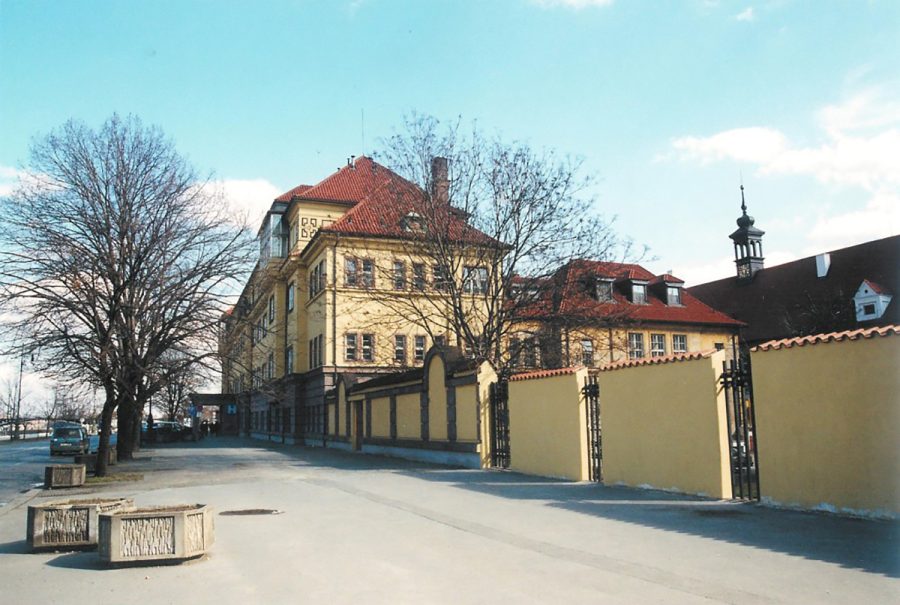
In the 1920s, the order decided to again extend the hospital and built up a vast north wing on the waterfront side. It is interesting to note that contributing to the construction were banks, insurance companies, but also private persons, such as T.G. Masaryk, Edvard Beneš and Pope Pius XI. The new three-story building had 180 rooms, operating rooms, and even a bed lift. On the first floor there was a chapel with an altar.
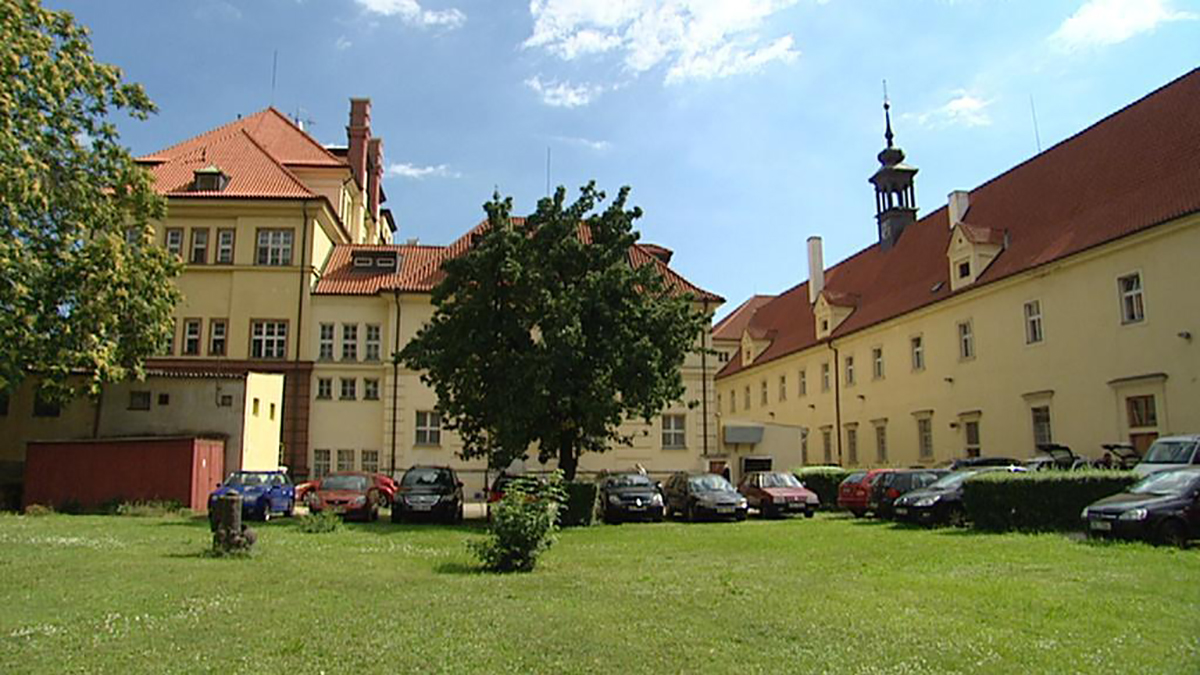
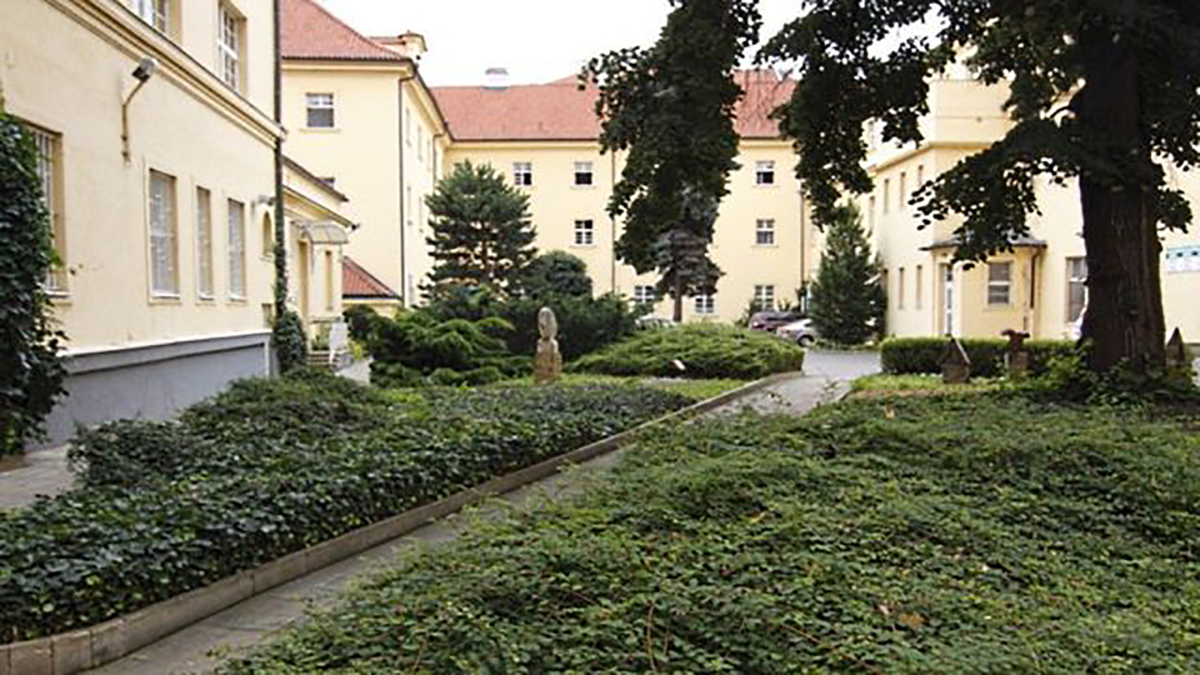
The original layout has been preserved to this day as have early and high Baroque elements. Among other things there is a fountain in one of the courts or the original equipment of the refectory, where even today there is a dining room. Also preserved is part of the old staircase made from wood donated from the scaffold on which Czech lords were executed in Old Town Square in 1621.
During the Second World War the hospital was converted into a Luftwaffe lazaret, which significantly damaged it. The Merciful Brethren held the hospital up until 1950, when they were removed, and it began to be managed by the State. The Church of St. Simon and Jude was deconsecrated and today functions as a concert hall.