Kampa Island
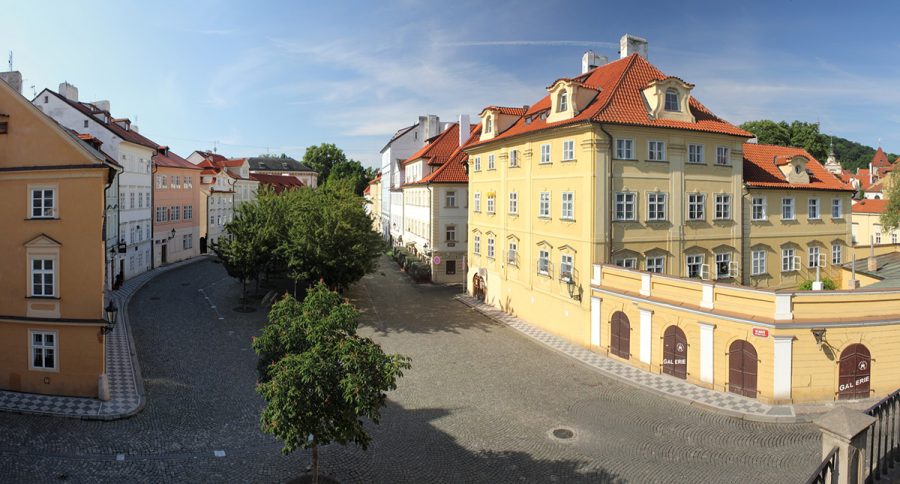
a picturesque Prague island
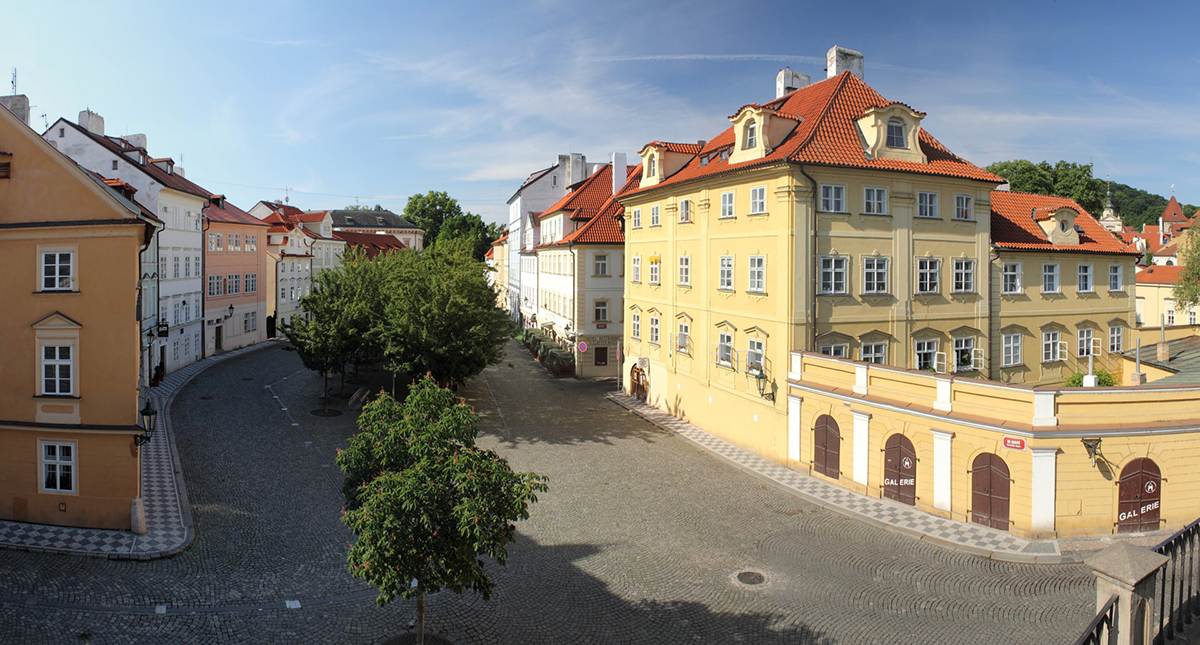
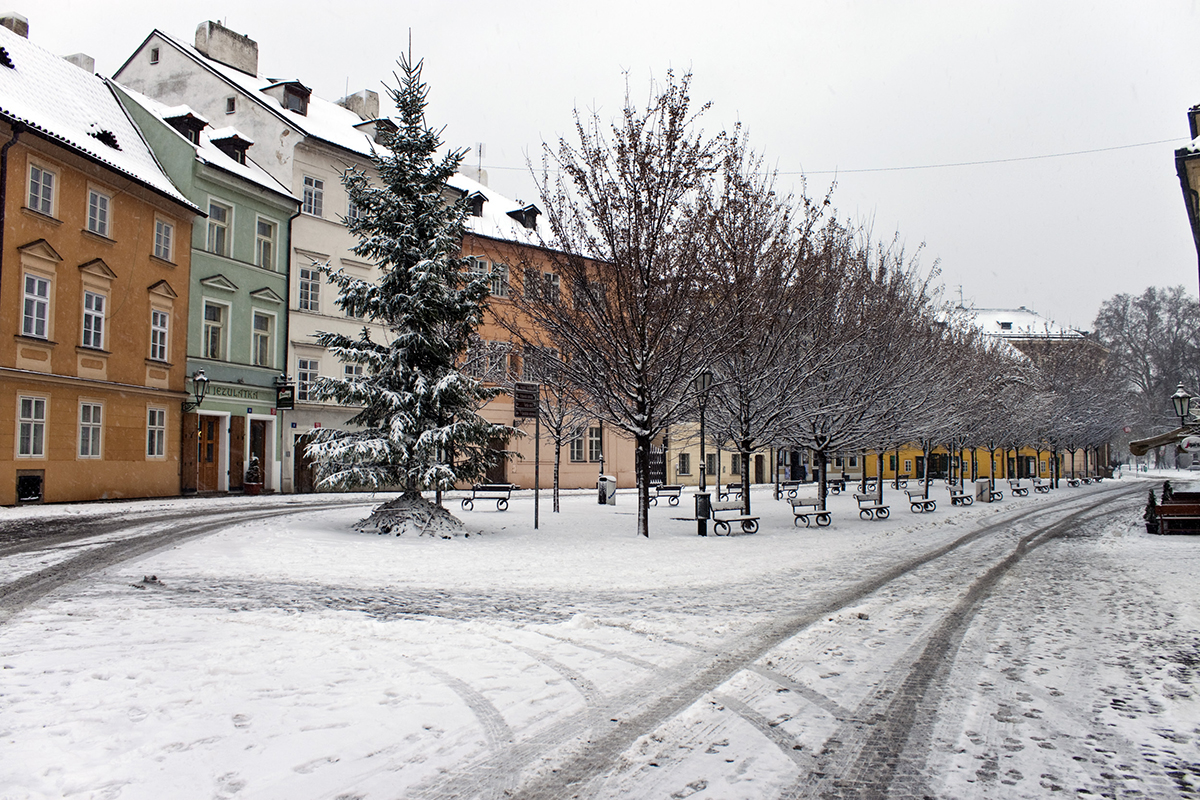
The island, which was declared the second most popular tourist island in the world in 2010, is full of gardens, palaces and quiet places.
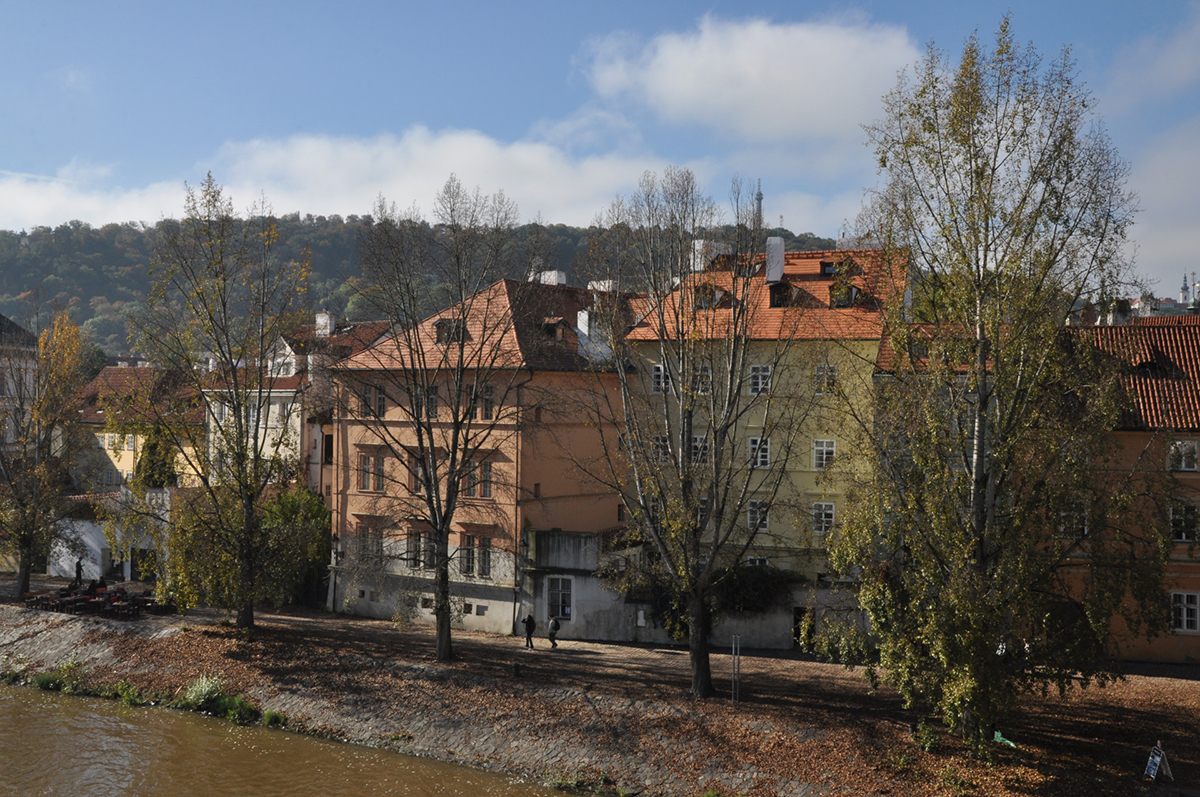
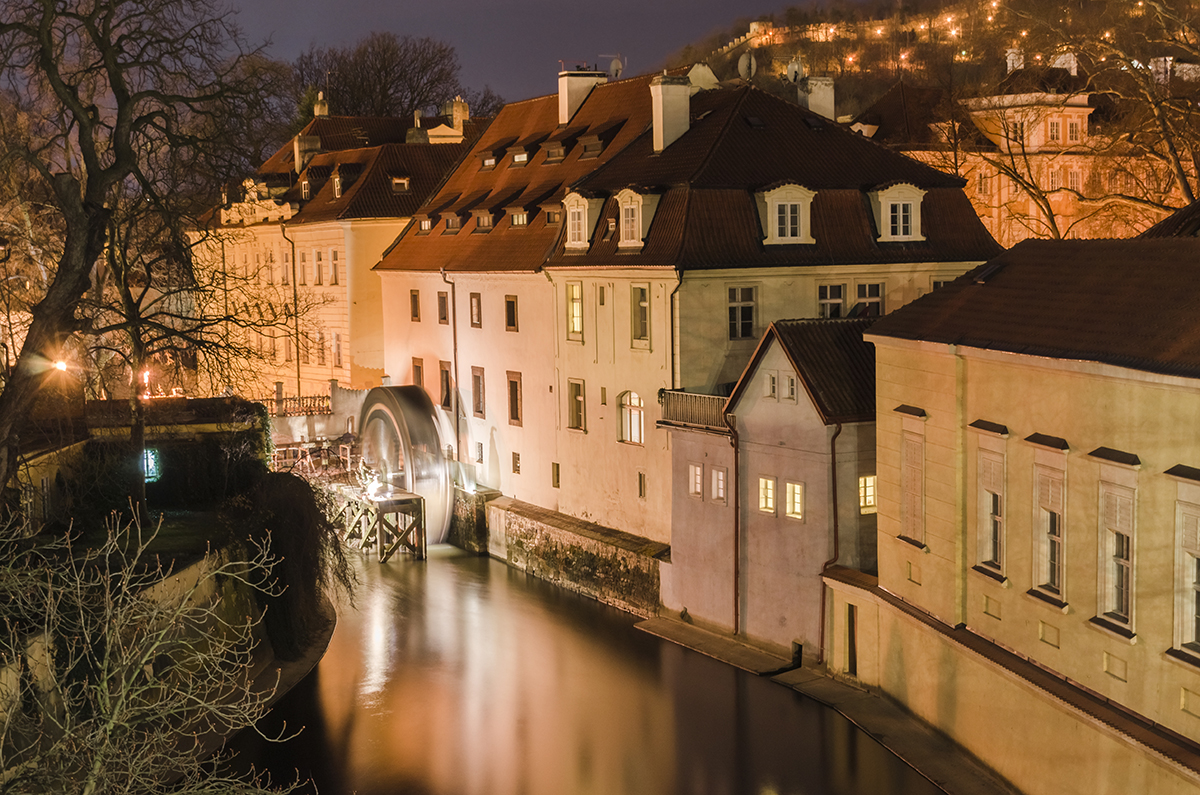
Kampa Island is located in the Lesser Quarter, from which it is separated by a gulley called the Devil's Channel. Its name is probably derived from the House of the Seven Devils. The oldest mention of Kampa Island dates to the year 1169 and the origin of the name Kampa is not entirely clear. It could be derived from Tycho Gansgeb of Kampa, who in the 17th century owned a home here, but also from the Latin word campus (field, plain) or from the Czech word zákampí (shaded place).
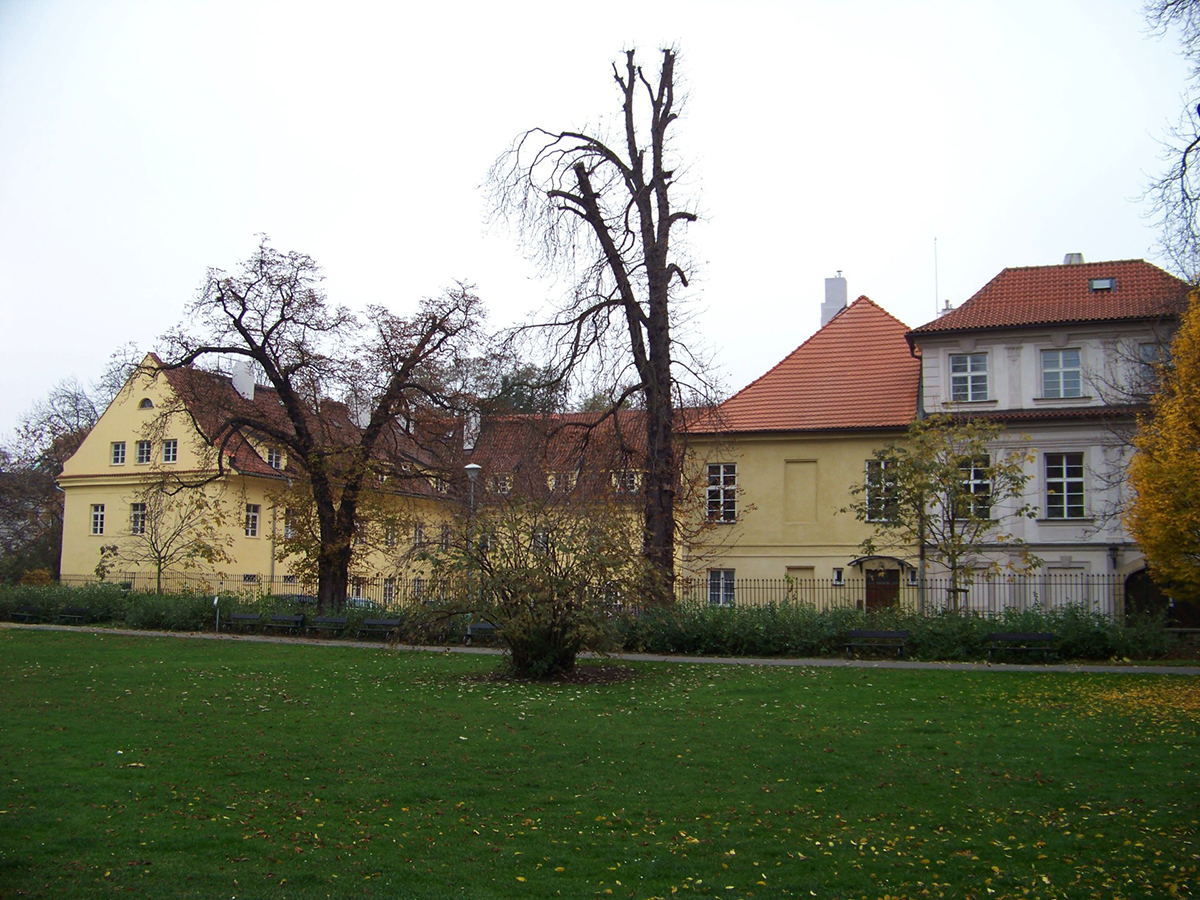
The island was gradually expanded by natural flooding, but also by boreholes, especially those after the great fire of the Lesser Quarter and Hradčany in 1541. The island was first home to gardens and from the 15th century buildings began to be erected here. First mills and later aristocratic gardens were created here. One of the first was the Michnov Garden; the Odkolkovska Garden, which belonged to the famous baker's family along with the mill, was built at Sova's Mills. The Kaiserstein Garden next to the Odkolkovska Garden is connected to the Liechtenstein Palace.
We find here also the house that Count Nostic donated to Czech revival figure Josef Dobrovský. Later in the house also lived academician Zdeněk Wirth and after the war actor Jan Werich and poet Vladimír Holan. Other well-known people who lived on the island include illustrator Adof Kašpar, Jiří Trnka and Jiří Voskovec.
Today's gardens were created by removing the walls and fences that once stood between them. Of the original neglected growths only some memorable trees remained and the park was adapted in the English landscape style. On the outskirts of Kampa, on Velkoprevorske Square, lies the painted John Lennon Wall, where people go to honour his memory. In 2010, Kampa Island was declared the second most popular tourist island in the world.