Expo 58 Pavilion
an award-winning construction at the World's Fair
A structure designed for Expo 58 in Brussels, recognised for its new demountable technology.
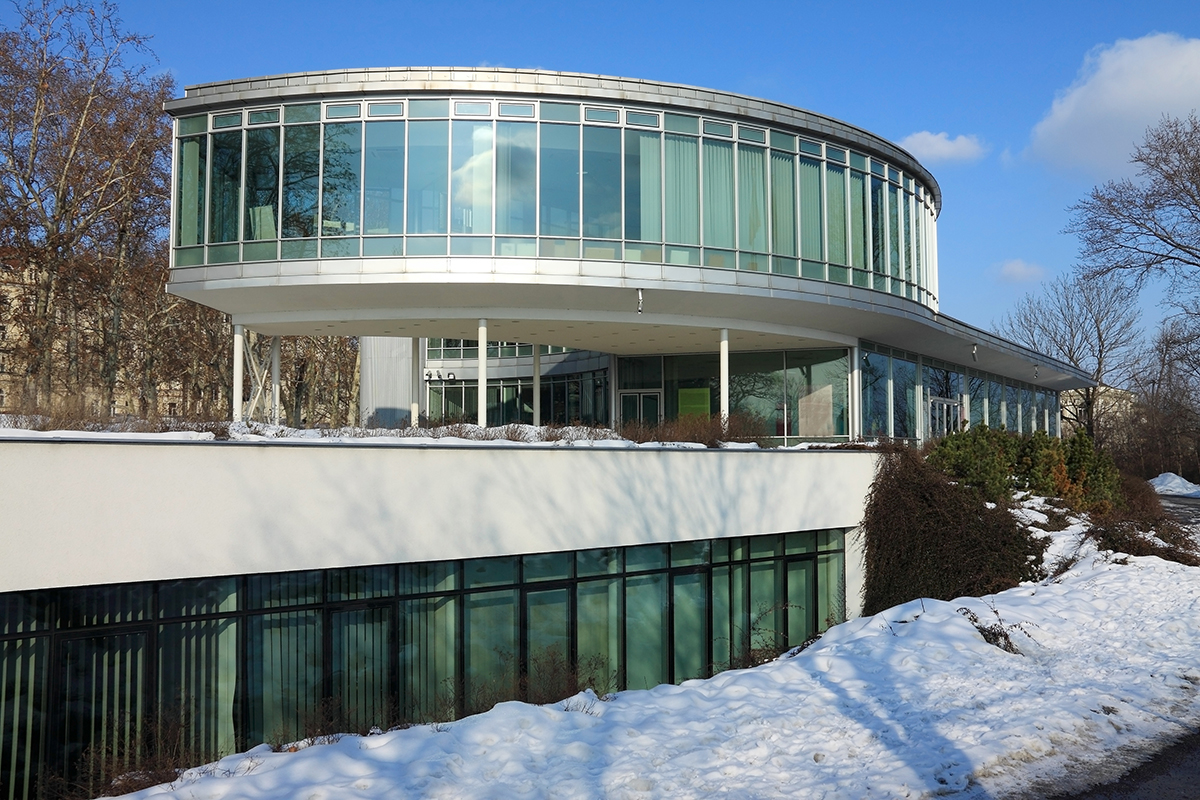
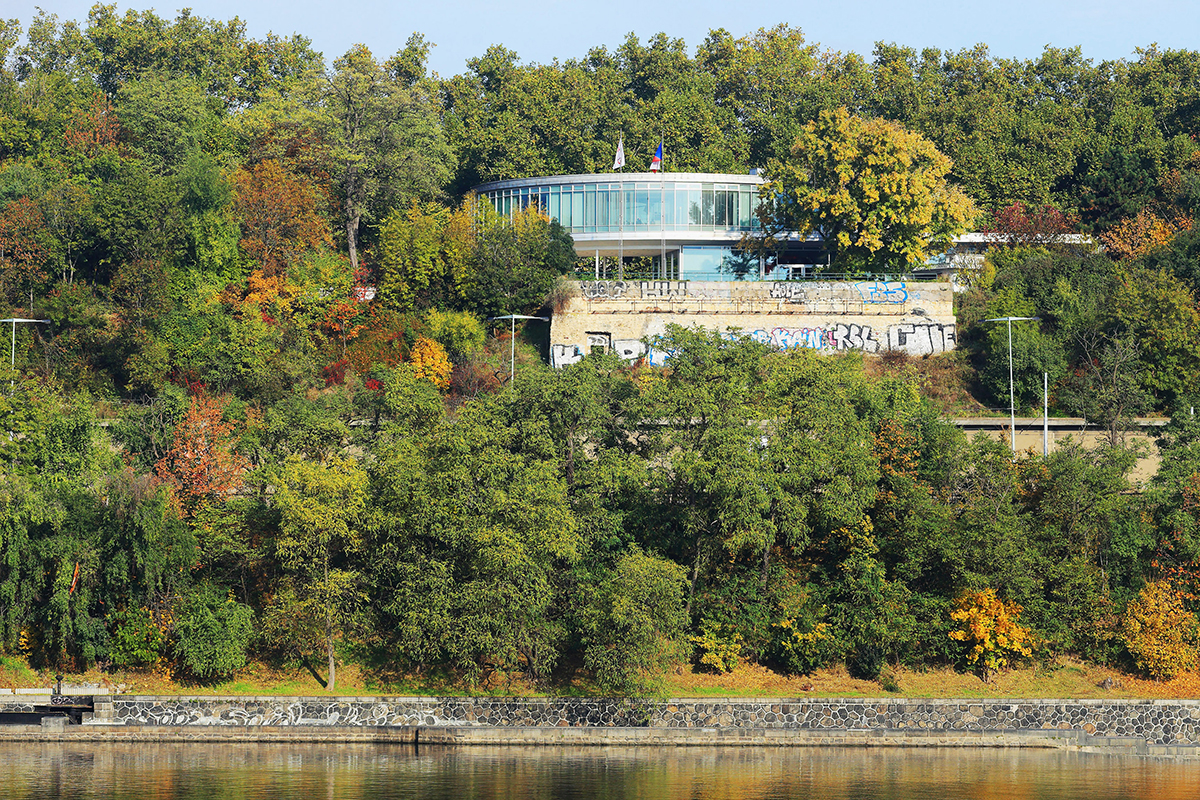
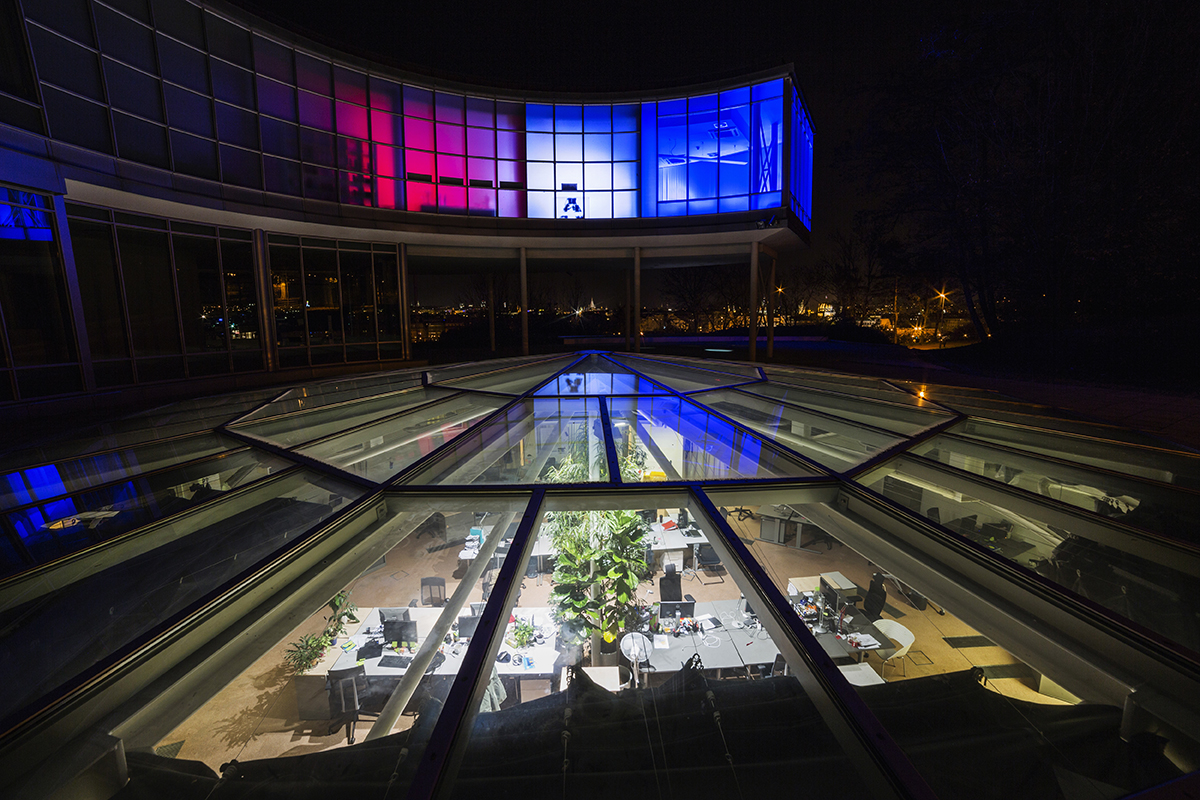
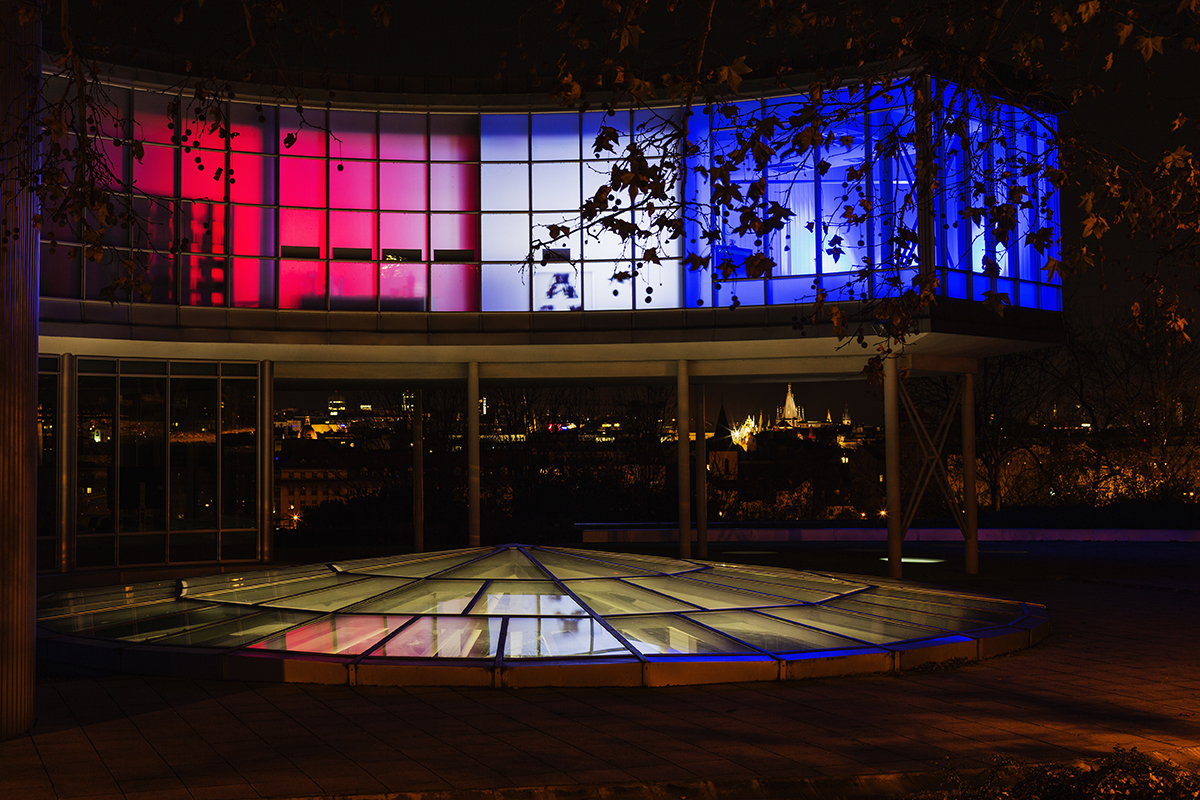
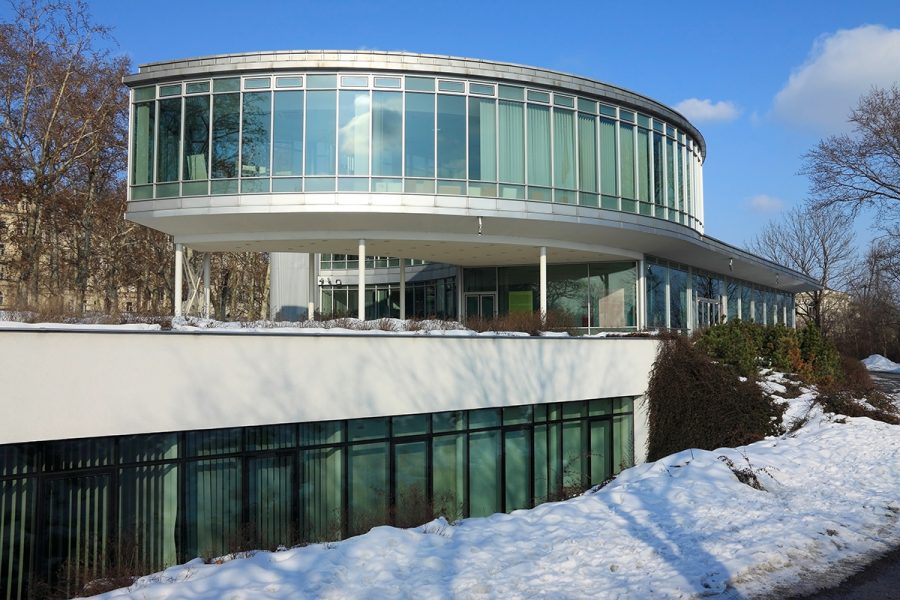
Letná Park above the Vltava River is home to the Expo 58 Pavilion, also known as the Brussels Pavilion. This is a building intended for the presentation of Czechoslovakia at the Expo 58 World's Fair, held in 1958 in Brussels. The pavilion served as a restaurant, showing people all over the world what life was like in Czechoslovakia. A day in the former Socialist state was presented by means of thematic division into Work – Culture – Rest in 12 constituent exhibits. The creator of this concept was Jindřich Santar.
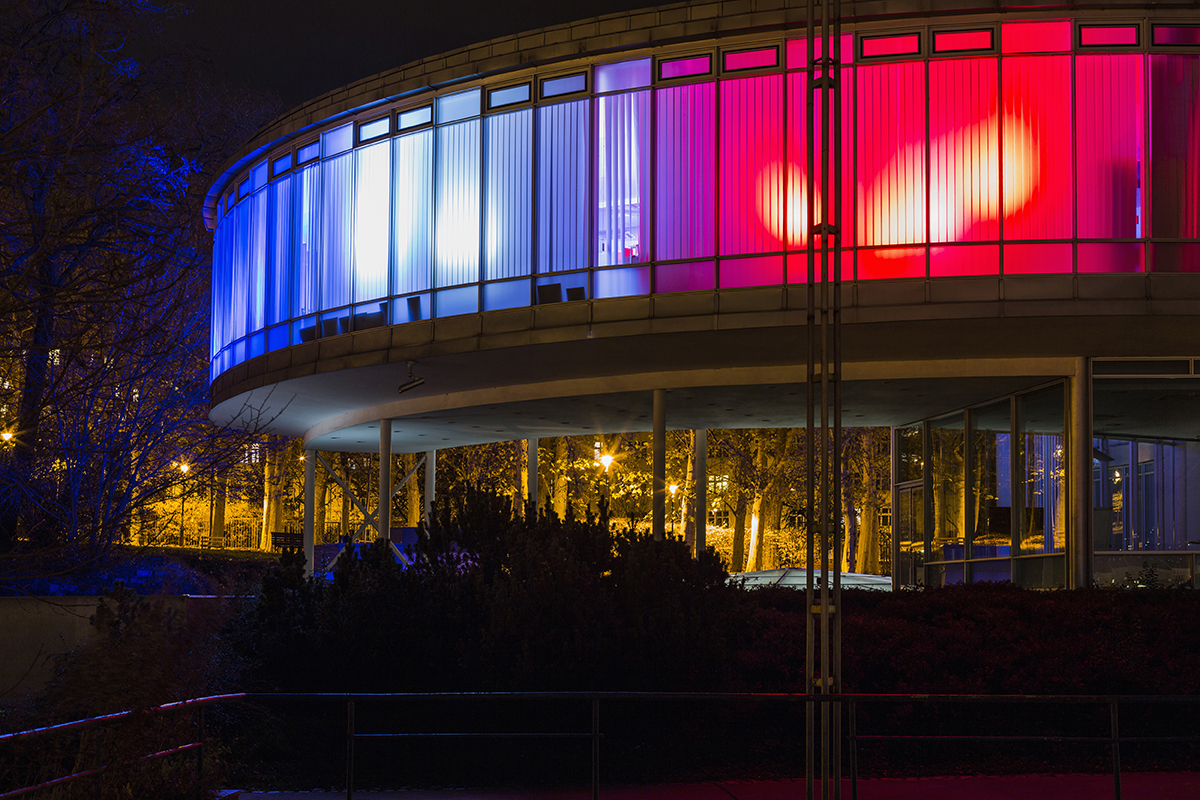
The pavilion itself is the work of architects František Cubr, Josef Hrubý (the author of the Bílá labuť department store) and Zdeněk Pokorný, and shows the inspiration of functionalism in the First Republic. The main structure consists of a steel skeleton of tubes, supplemented by large glass panes. One of the main requisites was easy disassembly and the possibility of transporting the pavilion to Czechoslovakia. Much of the structure was therefore fastened with screws.
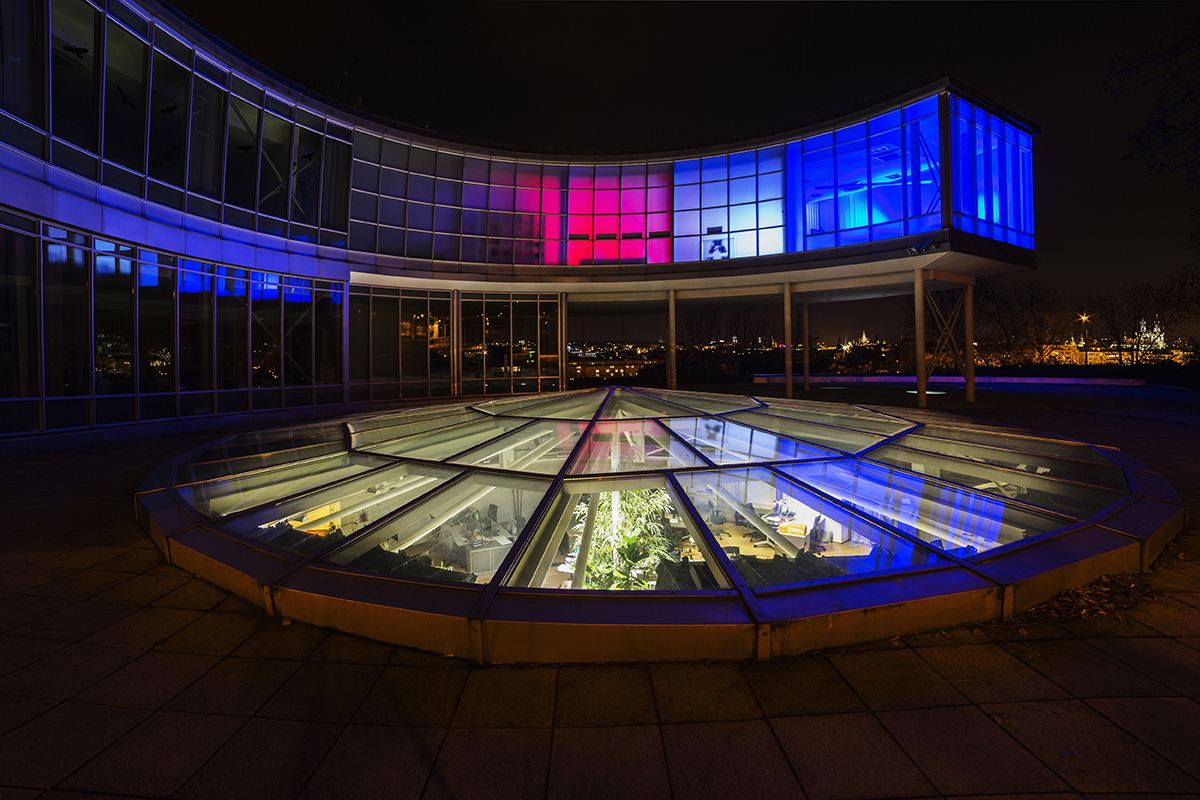
The building was awarded the Gold Star in the international competition at Expo 58 – the highest prize at the World's Fair – among other things for the new demountable construction technology and the interior with original furniture, and also won 13 other awards. Later, even after the revolution in 1989, the building began to decay, was rented out to various tenants and gradually lost its fittings. A new investor saved the famous building, but rebuilt it into an office building, from which the spirit of the former restaurant has faded away. At least the famous interior spiral staircase with its blue mosaic has been preserved.