Emmaus Monastery
the first monastery of the Slavonic liturgy
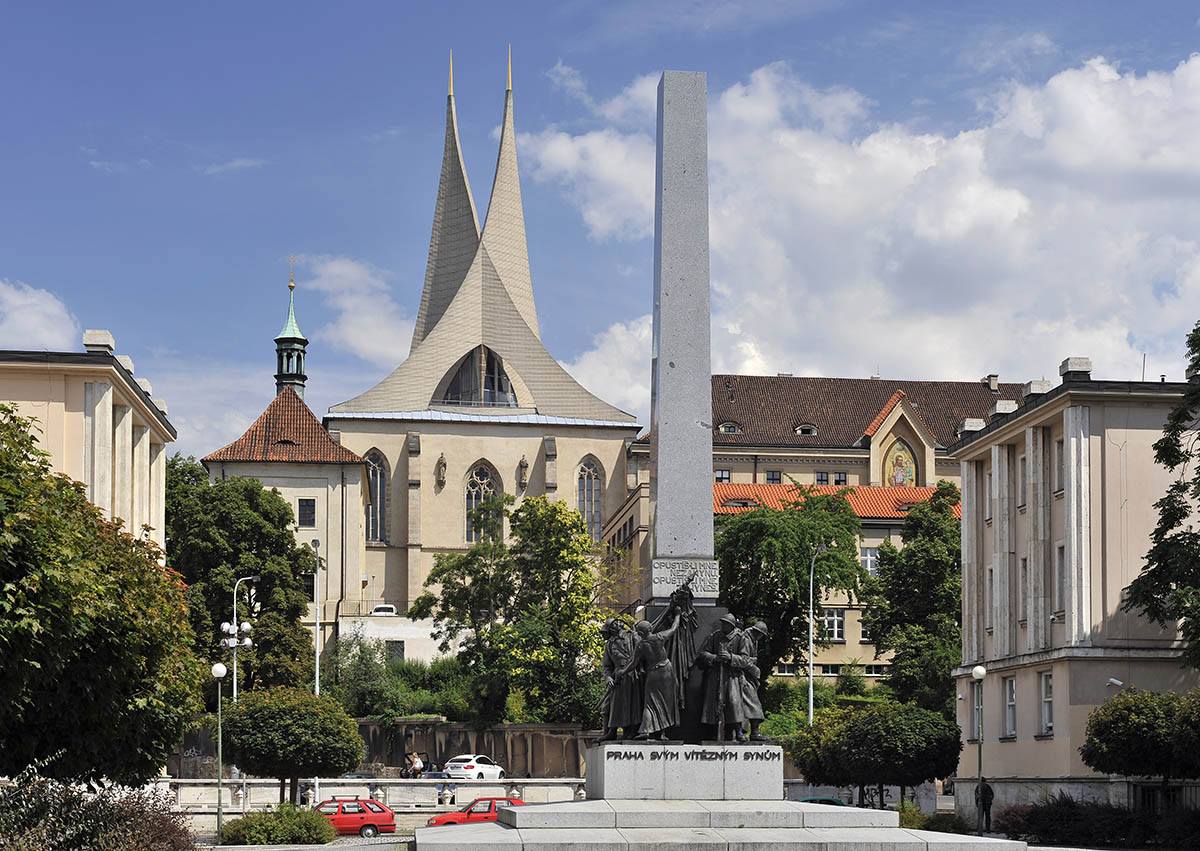
This Benedictine monastery founded by Charles IV for the Slavonic liturgy is today a national monument, despite the modern extension of the tower.
The Emmaus Monastery was founded by Charles IV in 1347 for the Slavonic liturgy. As the patron of the monastery church he chose the Virgin Mary, but also Czech patrons – Saints Vojtěch, Procopius, Cyril, Methodius and Jerome. To the new monastery were invited monks from the Balkans who could deliver the Roman Liturgy in Old Church Slavonic.
The king and later emperor had much greater ambitions for the monastery – to consolidate Slavic relations and unify the Greek and Roman churches. He did not succeed, but in itself the functioning of the Benedictine monastery with Slavonic liturgy in Prague was a success. Students of Cyrilometodian language included, for example, Jan Hus and Jerome of Prague. A number of beautiful illuminated manuscripts were also created here, for example, the Reims Gospel, which later became part of the coronation treasure of the French kings.
The origin of the name Emmaus is not entirely clear. The monastery either acquired it according to the Gospel of Christ with the martyrs in Emmaus, which was read at the ceremony of consecration of the year 1372. Or the unusual name was acquired according to the decadent, corrupt courts that stood at the site of the monastery, and were named Emmahaus and in which once lived the first Czech Queen Emma.
The building of the monastery itself with the church remains a pearl of Bohemian Gothic architecture. It is interesting that the construction cost as much as the construction of the Charles Bridge. It lasted for 24 years and its builder is not known, although some elements refer to the works of Peter Parler. The decoration of the church with the monastery is among the most precious monuments of the Bohemian Gothic. For example, in the cloister you can see scenes from both testaments made in the unique manner of frescoes, which is a rarity in Europe.
The monastery survived the Hussite period without any major damage. After the battle of White Mountain, Spanish Benedictines were brought here, who lent the monastery and church a Baroque style. After 1880 Benedictines from Beuron in southern Germany settled here, removed the Baroque elements and replaced them in the style of austere pseudo-Gothic, called the Beuronese style.
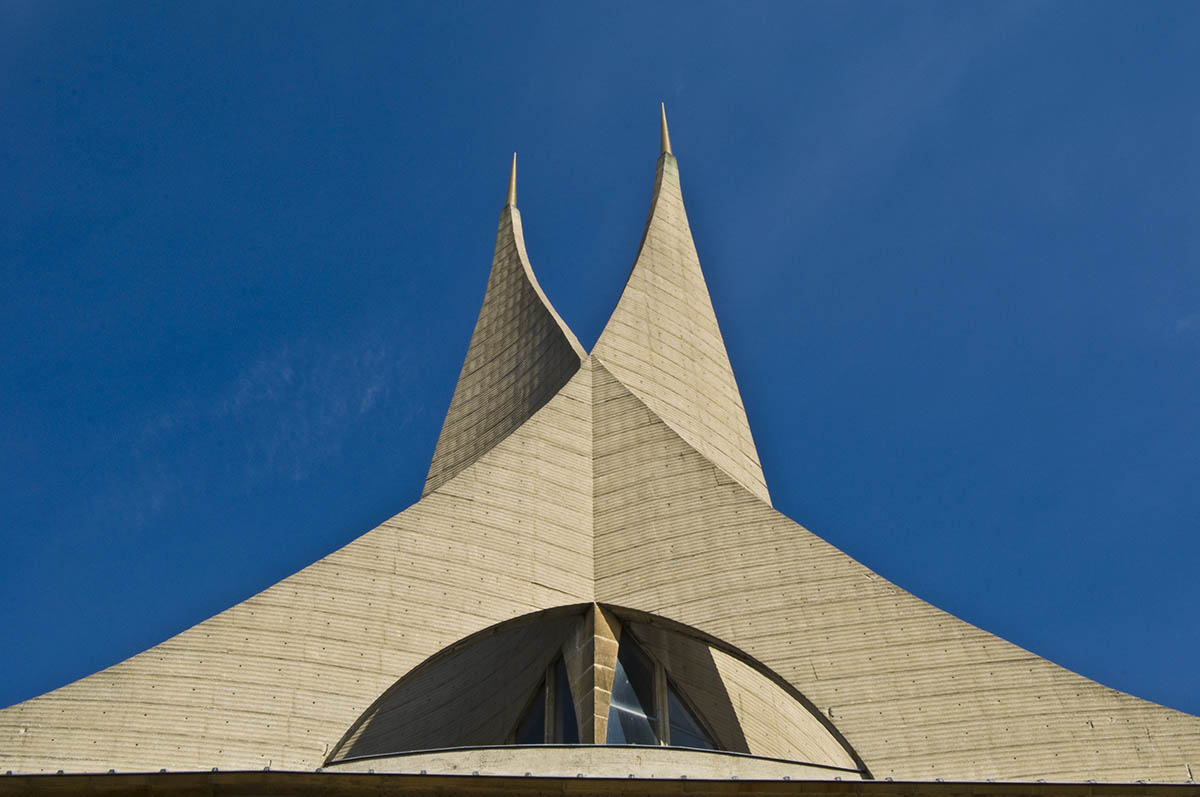
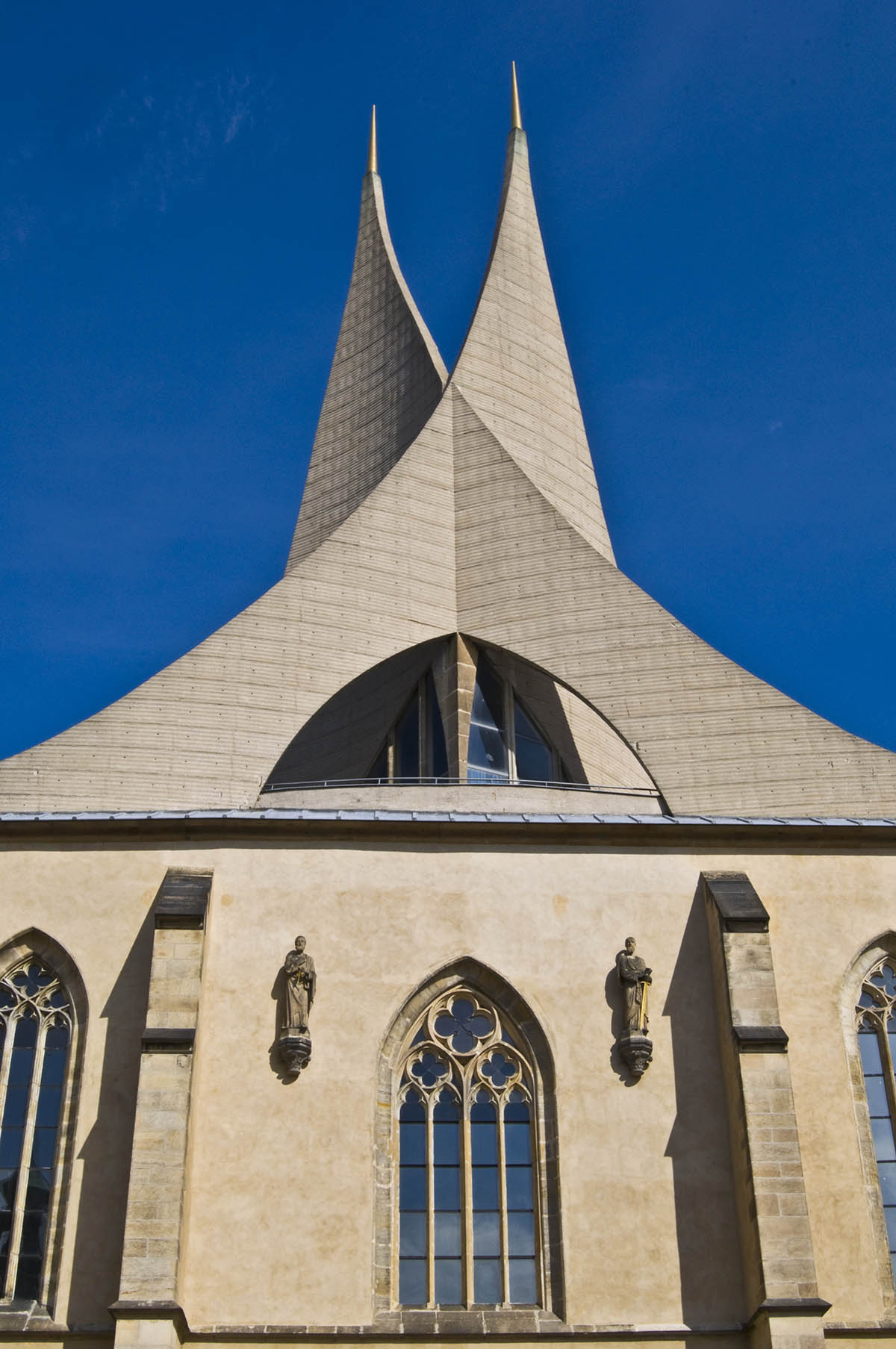
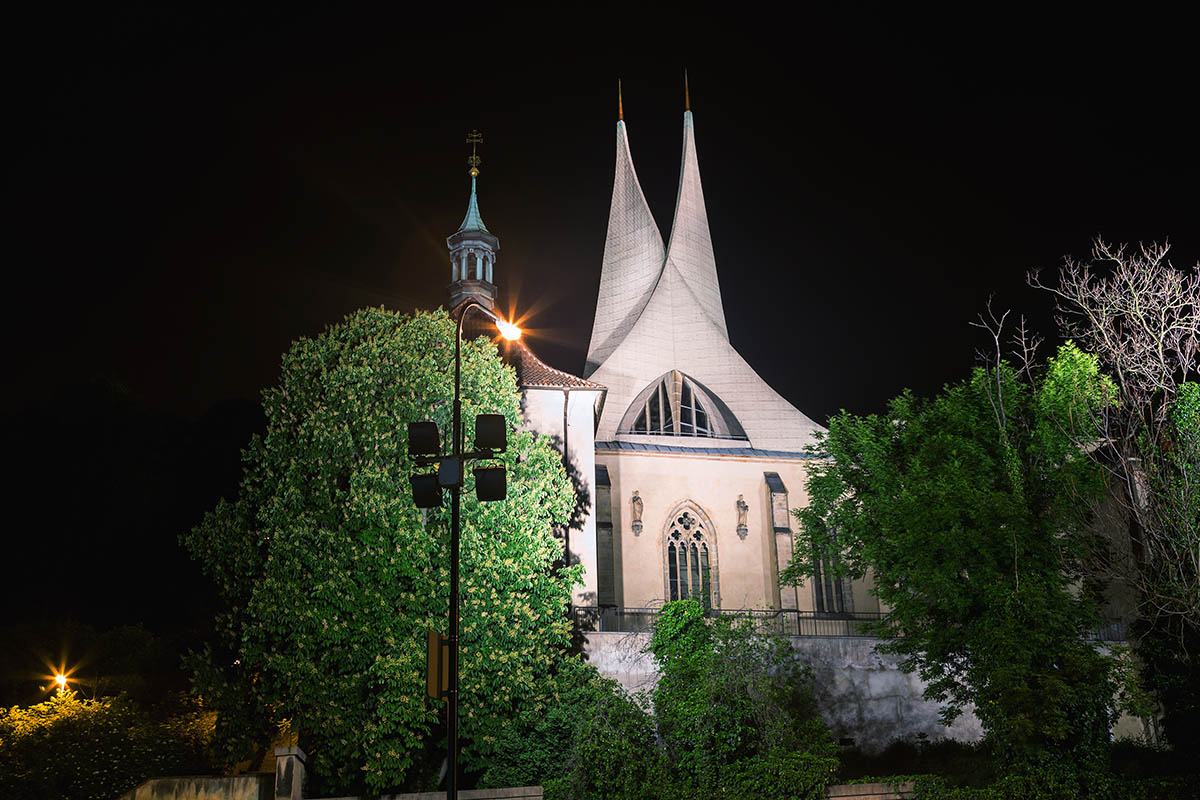
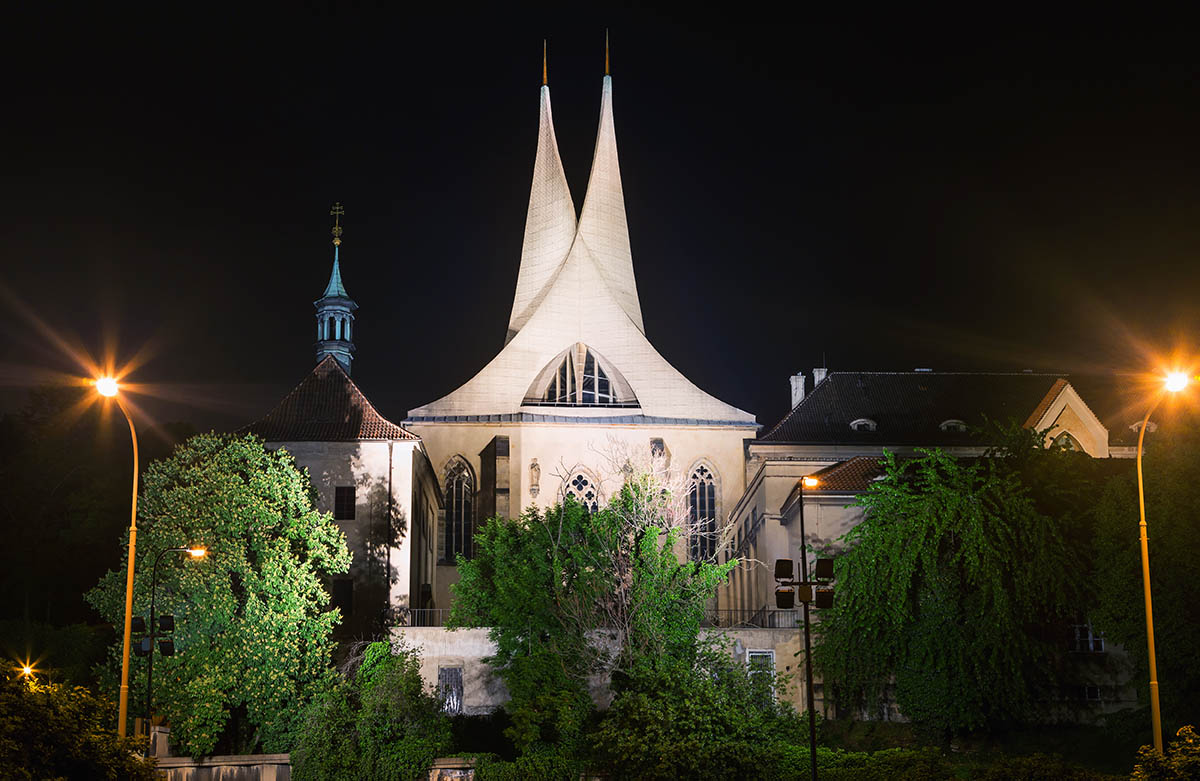
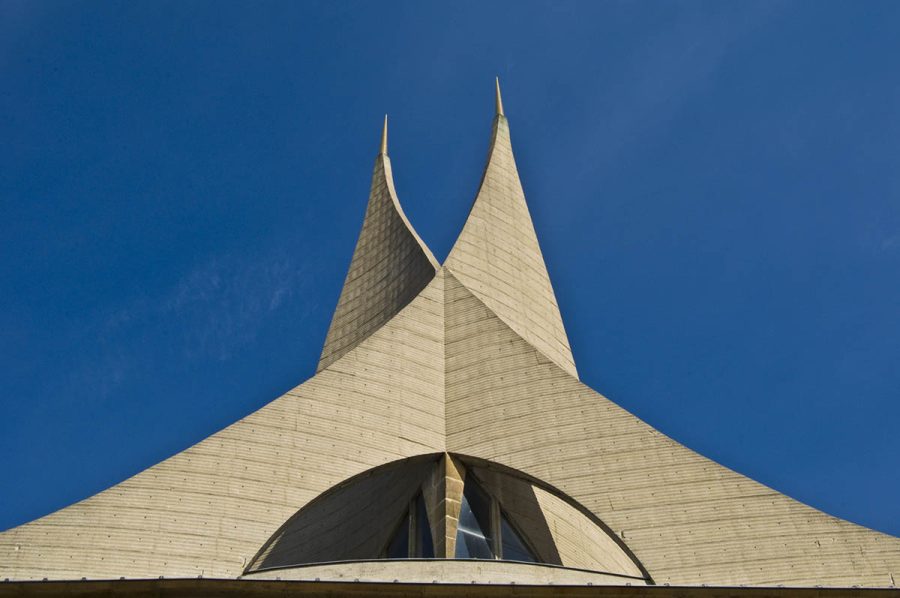
In February 1945 the church was destroyed during air raids by American bombers who mistook Prague for Dresden. Immediately after the war renovation work began, the effect of which today are two modern towers of white concrete, with a gold-plated, 4-metre-high spire. An optical illusion causes the south tower, which is closer to the river, to appear higher, even though it is not.
Since 1990 the monastery has again been the seat of the Benedictine order, this time from Noci, Italy. Emmaus is a national cultural monument.