Straka Academy
Le commentaire audio n'est pas encore disponible dans cette langue.
headquarters of the Office of the Government of the Czech Republic
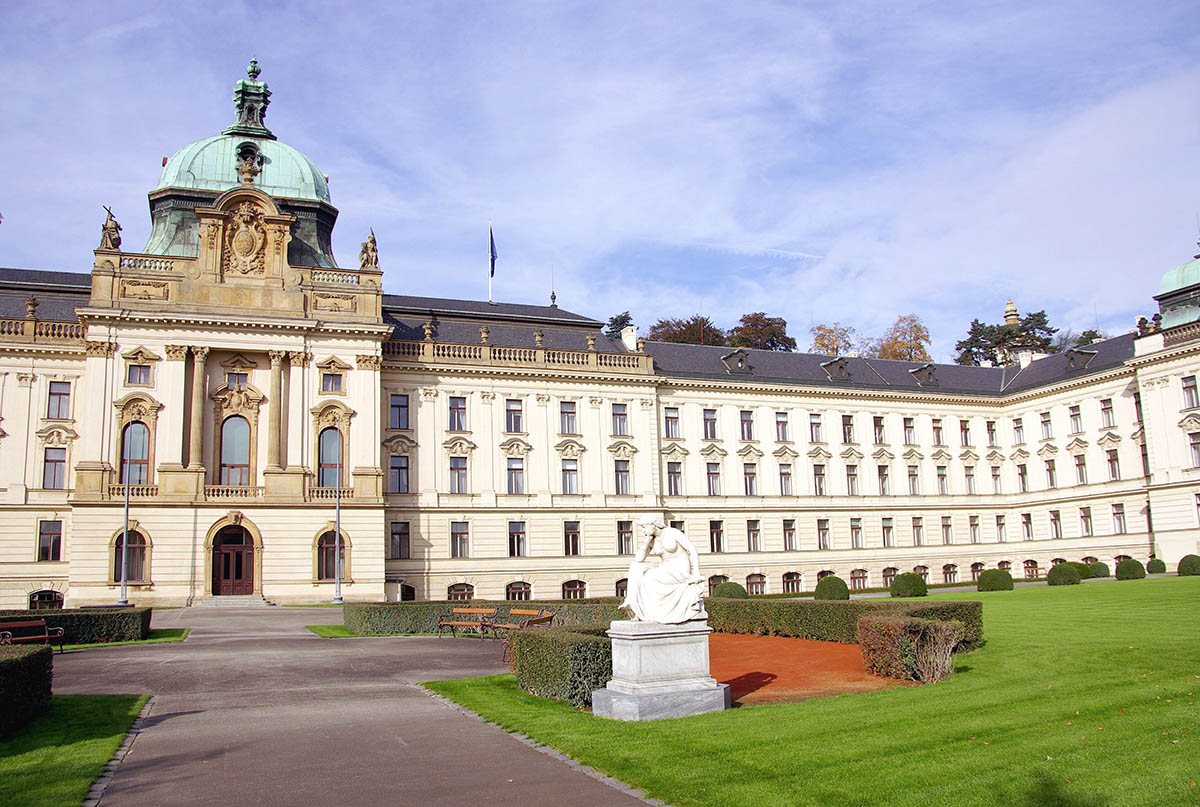
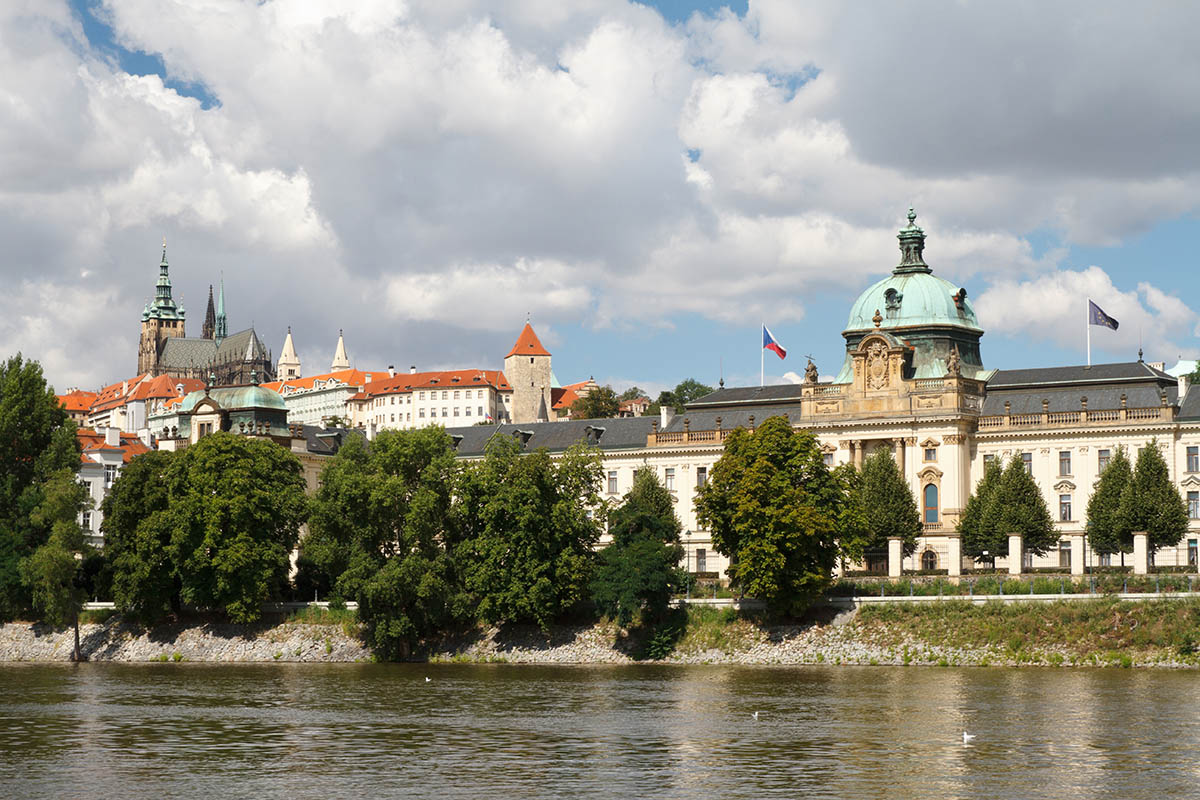
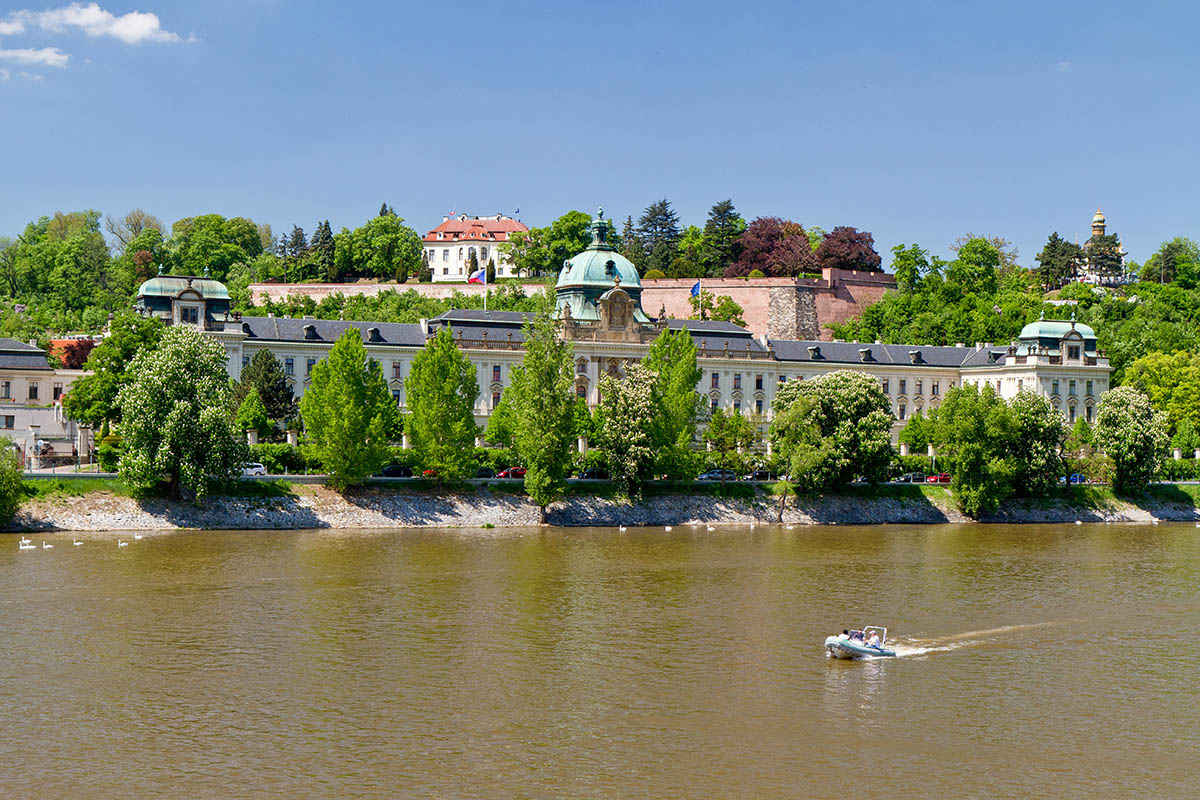
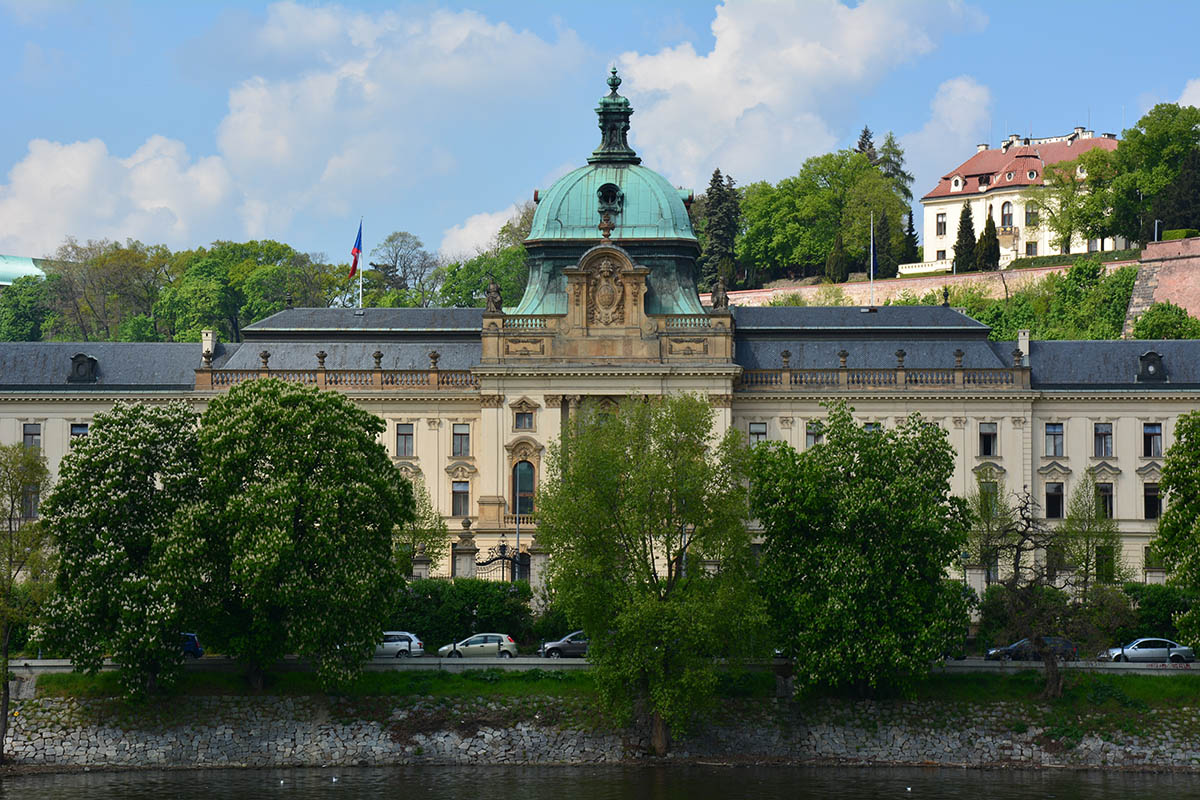
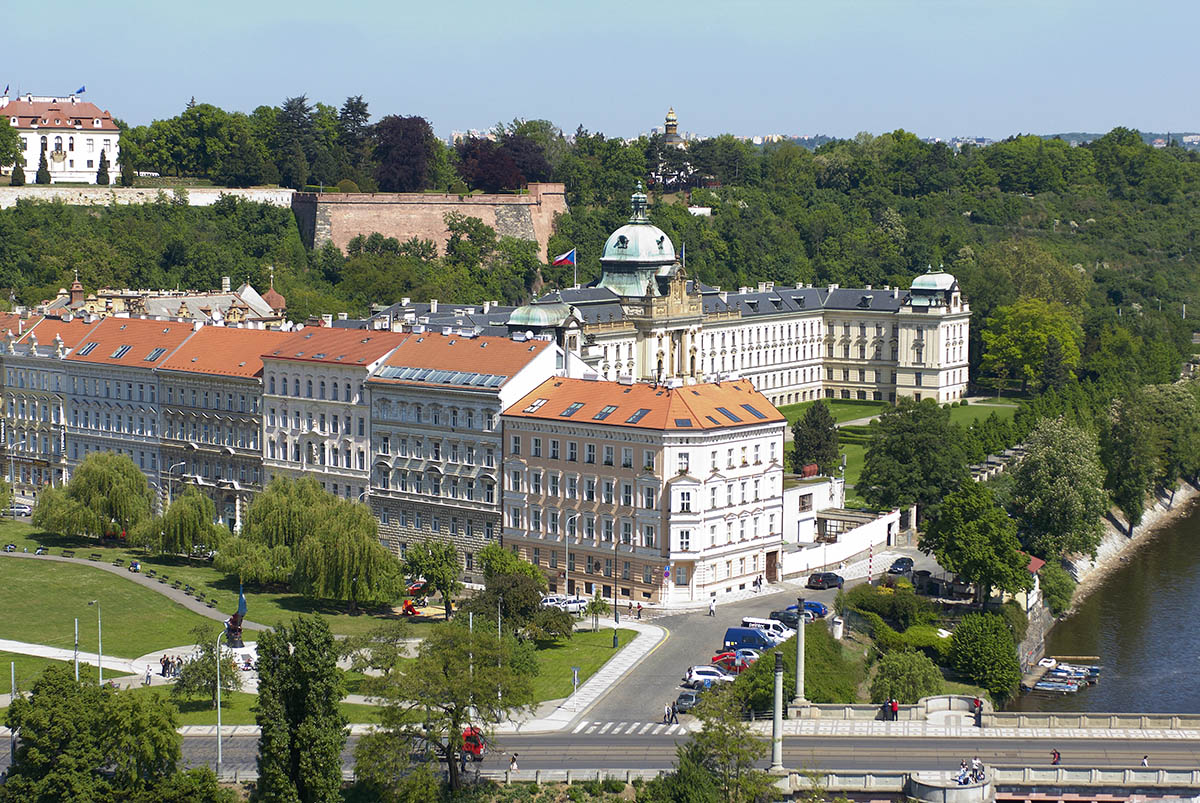
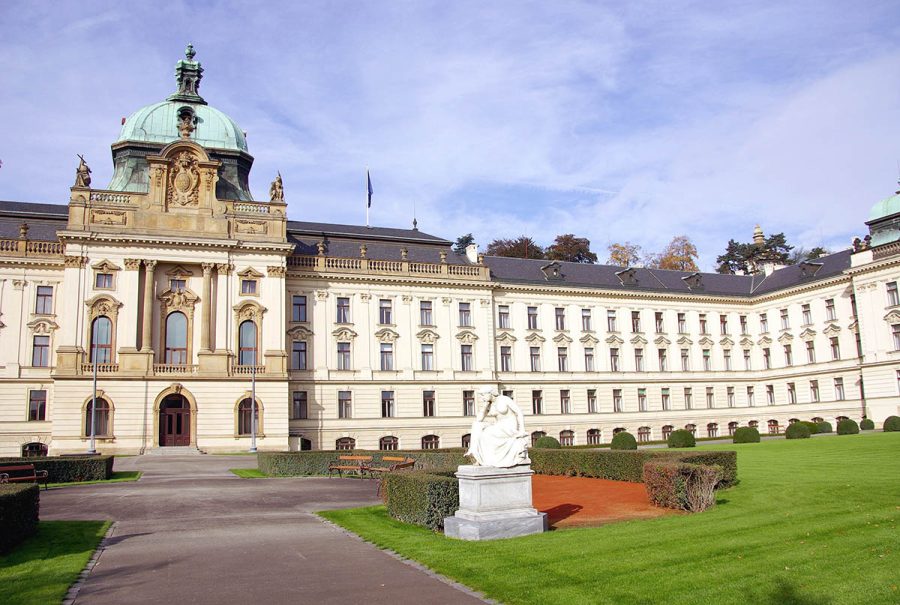
A neo-baroque palace dating from the late 19th century, built for impoverished aristocratic youths. Today it is the seat of the Office of the Government of the Czech Republic.
The emergence of the Straka Academy, which today houses the headquarters of the Office of the Government of the Czech Republic, has an interesting history. In 1710 Jan Petr Straka declared in his last will and testament that all his family's property after its death would be used for the education of young men from the impoverished nobility. The family line died out in 1769, but his wishes were only fulfilled more than a century later.
At the end of the 19th century, the Straka foundation estate was turned into a neo-baroque palace by architect Václav Roštlapil. The monumental building had three floors, was 160 metres long and had a garden. The entire building occupied 4,000 m2 and the garden 17,000 m2.
For its time the Academy was equipped in a very modern fashion. In addition to the bedrooms, study halls, offices and cabinets, the students had a lecture hall, a dining room, an indoor swimming pool, a summer and winter gym, a fencing hall, a dance hall, a private hospital, a chapel and a prison. The building was the first in Prague to have central heating.
The destitute pupils of the school were selected in bankruptcy, the others partially paid for their stay. Later impoverished young men from burgher families could also study here. The boarding school and gymnasium had a Czech and German part.
After 1920, when the Constitution of the new Czechoslovak Republic abolished titles and privileges, the Academy was handed over to university students as an academic house. It housed a library with 73,000 volumes, a reading room, dance halls, a restaurant, but also a running track in the garden, tennis courts, an indoor ring, and a volleyball court.
Even during the First Republic, State authorities began to settle in the building and the final transition to an office building was completed after the Second World War. The building was occupied by the Nazis, and housed the Protectorate Government and the Imperial Court.
In 1945 the building was chosen as the seat of the newly formed government and this is its purpose to this day.